
Try Something New
STORY TERESA MATAMOROS
These are a few plants I like to use in gardens. Some are native and some are not, but all are growing in zones 5 and lower. They are low maintenance, drought tolerant and will resist some of the diseases common with overused plants. Some are good pollinators as well.
Instead of prickly horizontal junipers, try soft-needled Microbiota decussata or Siberian Carpet Cypress. Grows 30 cm tall and 175 cm wide. This evergreen can be grown in dry shade or full sun. The operative word here is dry. A bonus is that their foliage turns a copper penny colour in the late fall and winter.
Hypericum kalmianum or Pot O’ Gold St. John’s Wort can work very well instead of lower growing Spireas. This St. John’s Wort has four seasons of interest starting with profuse golden yellow flowers on a two-foot-high shrub with bluish green narrow leaves. Persistent brown seed capsules and exfoliating bark add winter interest.
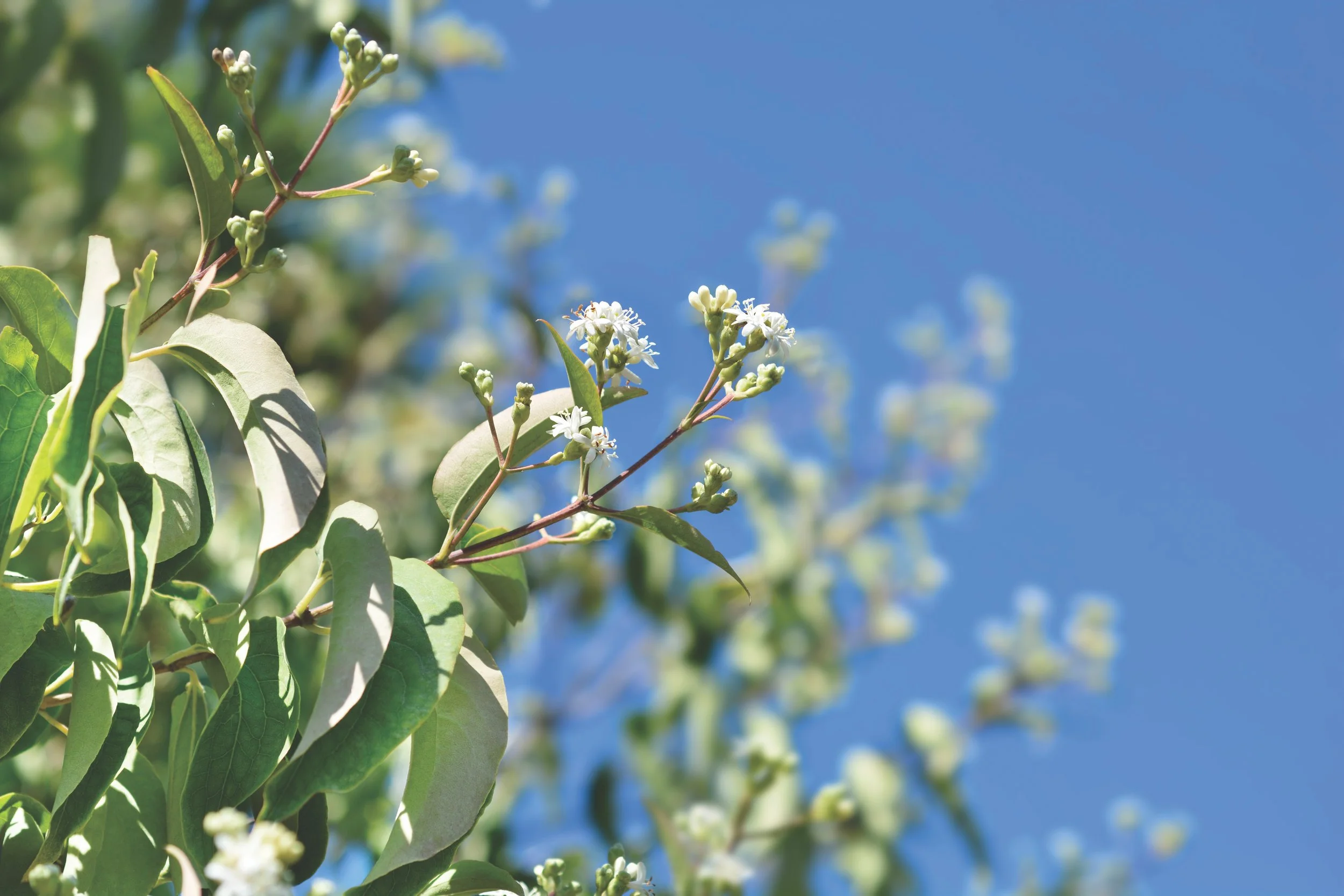
Hepatcodium miconioides or Seven-Son Flower is a large (four-by-two-metre) uncommon shrub with white blooms later in the season. The highlight of this shrub is the pink to red calyxes left on after the flowers fade. The exfoliating bark is great for winter interest. Use this plant when you need a focal point in your garden.
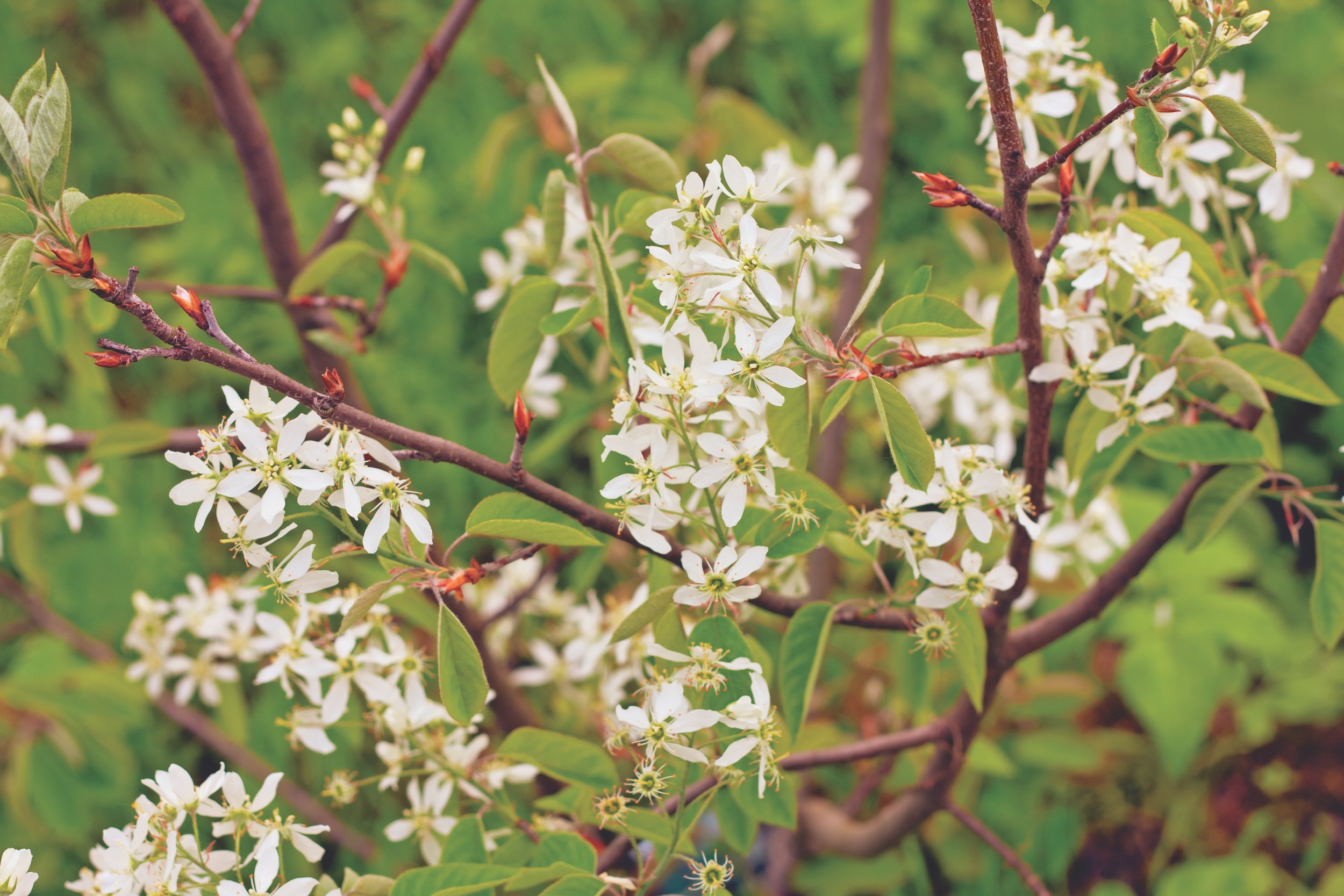
Amelanchier canadensis or Serviceberry is a well-used native in our landscapes for its beautiful white flowers, edible fruit and great red fall colour. I would use this native large shrub/small tree as a replacement for Burning Bushes (Euonymus alatus) which is now considered an alien invasive as it is a prolific self-seeder.
Caryopteris x clandonensis or Bluebeard could be used as an alternative to Lavender in the garden when you still want purple flowers, but later in the season. Caryopteris is drought tolerant, a great pollinator and has fragrant foliage. Grows 80-by-80 centimetres.
Clethra alnifolia or Summersweet is a summer fragrant flowering shrub with white or pink bottlebrush type flowers, ranging in height from 100-to-200 centimetres. It attracts the pollinators, too.
Geranium macrorrhizum or Bigroot Geranium and Asarum canadense or Wild Ginger are great ground covers for full-shade areas in the garden. Periwinkle is considered an aggressive alien and should not be planted anymore. Geranium has pink or white flowers with fragrant foliage. Wild Ginger has interesting flowers half hidden under the leaves.
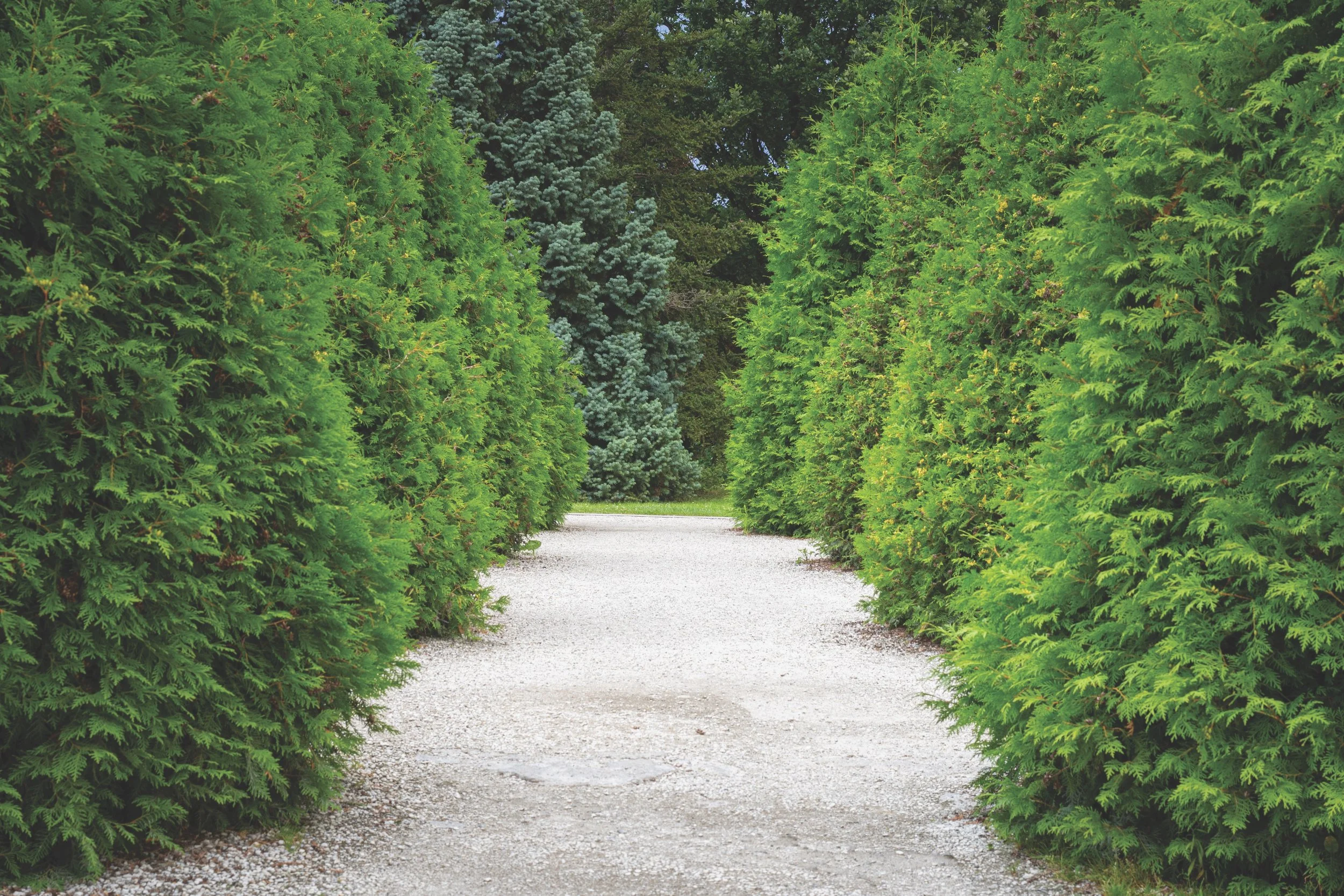
TIRED OF CEDARS? HERE ARE A COUPLE OF EXCELLENT ALTERNATIVES:
Picea abies ‘Cupressina’ or Columnar Norway Spruce is a great choice when space is limited. It grows to eight-metres tall and 200-centimetres wide and has dense branching to the ground with dark green, stiff, short needles.
Thuja x ‘Green Giant’ or Western Cedar (a cross between Thuja plicata and Thuja Standishii). Although this is a cedar, it is not on the menu for deer, which is why I have included it here. It can grow to 13-metres tall and four-metres wide. It can be used for hedges and tolerates trimming too.
By using some of these less common selections, you are supporting sustainable landscaping practices. The next time you are at the nursery, look for these plants. If they don’t have them, ask for them. We need more diversity in our gardens and if we ask the garden centres for these not-so-common plants, we create a demand, and they will start bringing them in. OH
Teresa Matamoras has a Bachelor of Science degree, an Ontario Diploma in Horticulture and is an ISA Certified Arborist.