
Garden Pests
STORY MELANIE REKOLA
We work hard at making our gardens beautiful and it is downright disheartening when pests make our outdoor living spaces inhospitable or devour our hard-earned efforts. Luckily there are many natural, DIY methods to help!
Slugs
Spread crushed, cooked eggshells around plants that are susceptible to slug damage. The jagged edges of the shells deter slugs from reaching the plant. You’ll also be enriching your soil at the same time.
Aphids
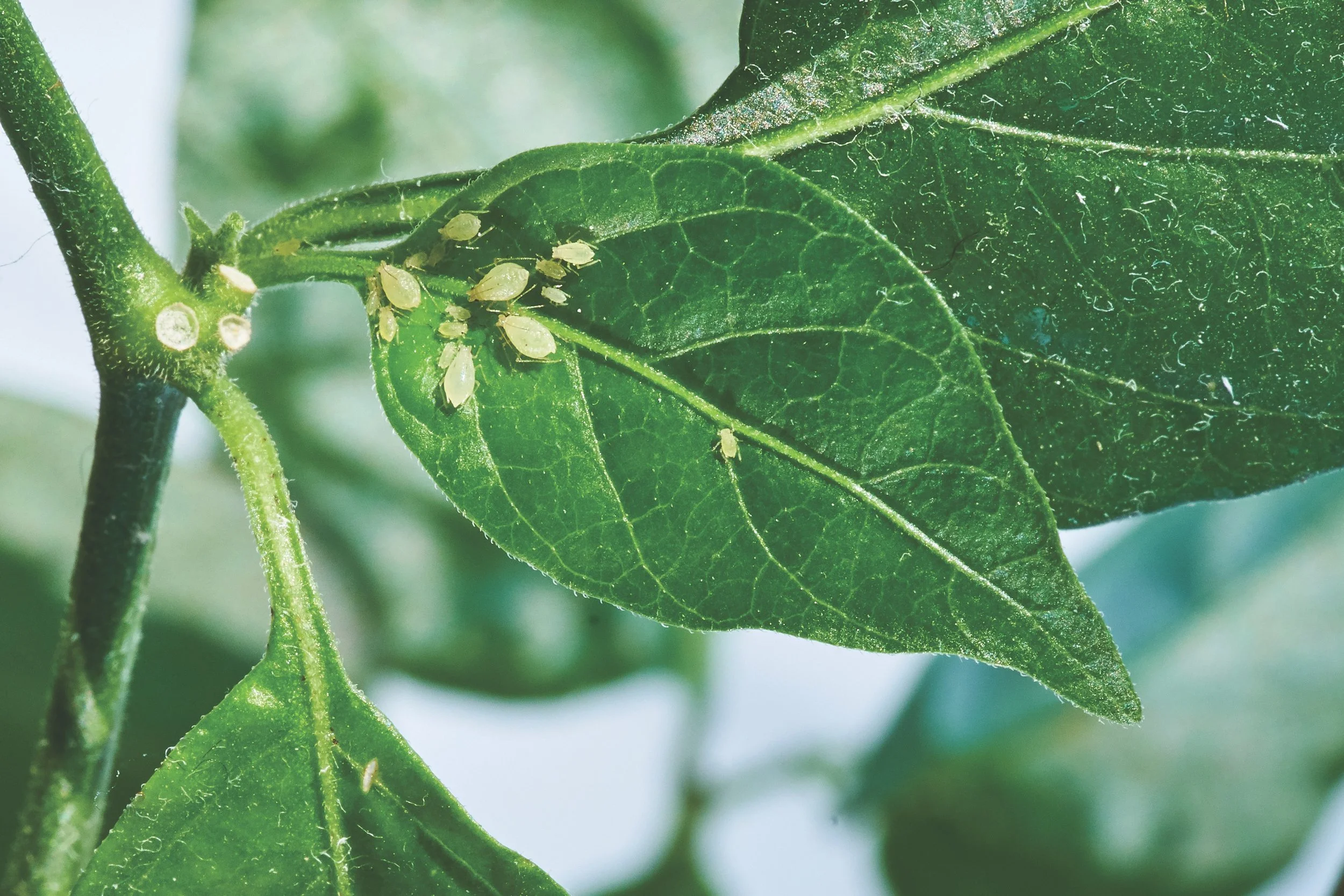
Make a concoction of a few drops of dish soap, one teaspoon of oil and one litre of water and add to a spray bottle. Spray the infected plant as needed. It also works on white fly and other common pests. Sometimes just a forceful spray of the garden hose works too! Aphids also love marigolds – so if aphids are feasting on your leafy greens in the veggie garden, plant marigolds as a trap plant to lure them away.
Squirrels
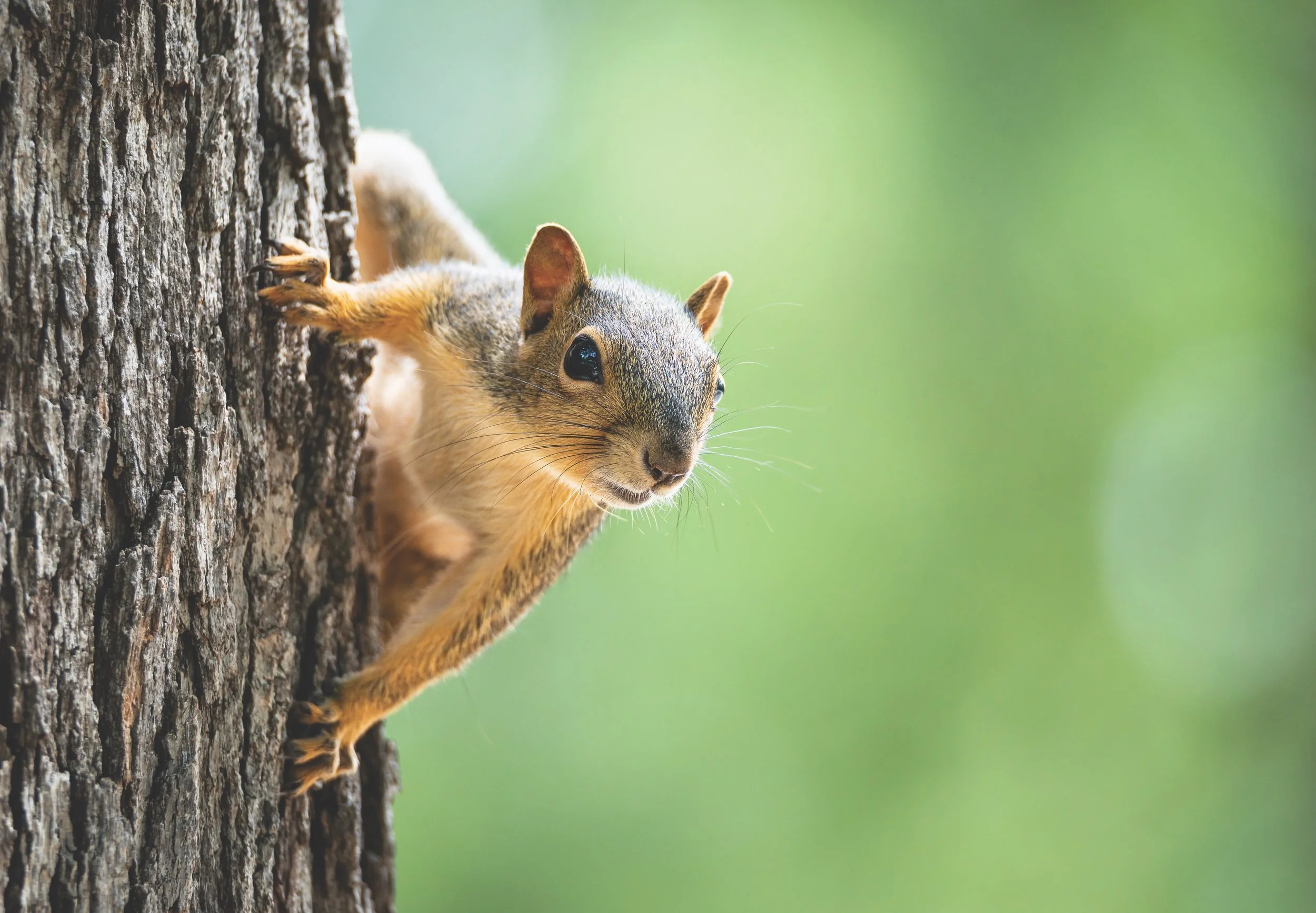
We must share our gardens with a host of wildlife so it’s best to plant bulbs that squirrels don’t enjoy eating, such as muscari, daffodils and allium instead of tasty tulips. Squirrels are notorious for digging up newly potted plants and bulbs. Sticking toothpicks or sticks into the soil surface helps to deter them.
Though cayenne pepper products are available to repel squirrels, they aren’t a good option. They can cause them a lot of pain and even temporary blindness, so I recommend less harmful methods. Tuck in some pet hair around your favourite bulbs to discourage them instead.
Bunnies
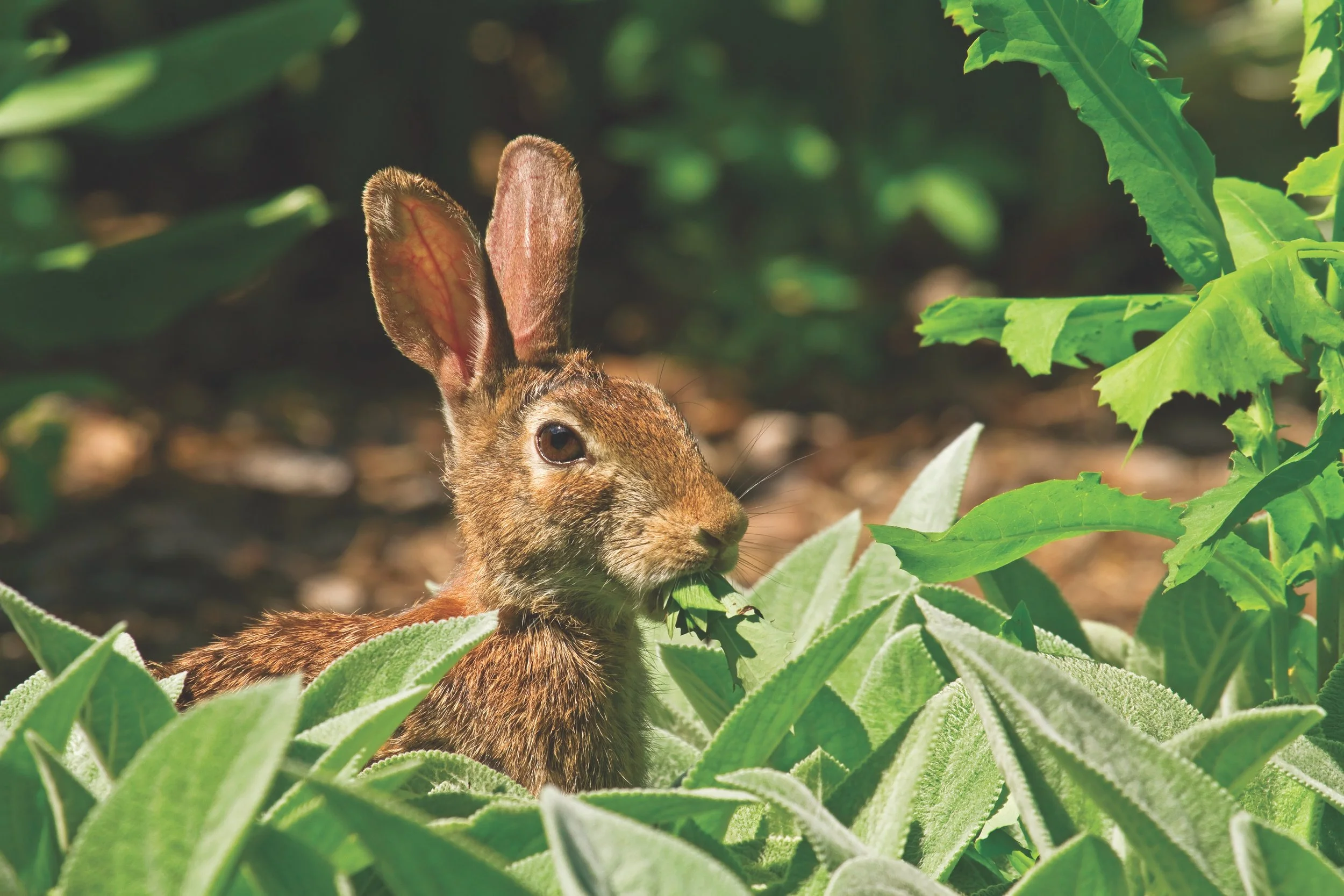
Rabbits often eat the tender new wood of fruit trees and other tasty trees and shrubs in the dead of winter when there’s nothing else for them. Make a temporary cage of chicken wire around these plants and keep in place for the winter months to protect them from bunny damage. In the veggie garden, chicken wire caging also works well.
Deer
Deer are infamous for quickly demolishing a garden. For a large property I suggest planting an easily accessible bed of their favourites (like cedar, hosta, roses and daylily) to entice them away from the ornamental areas. For small spaces, fencing works best.
Mosquitoes
Make sure you use the water in your rain barrels regularly as mosquitoes will make a breeding ground out of any standing water. Don’t leave areas of standing water anywhere in your yard as mosquito larva can even live in very moist soil. Cedar trees do not attract mosquitoes but standing water does.
Certain strongly scented plants like citronella grass, mint, lavender, catnip and rosemary deter mosquitoes. By having them near your outdoor seating areas you can enjoy their captivating scents and natural repelling qualities.
Ticks
Many of the plants with heavy scents listed under mosquito repellents above can also repel ticks. Plant these at your garden perimeters to have fewer ticks in your yard.
Wasps
Often any yellow and black flying insect is mislabelled as a bee but usually they are wasps. Wasps are pollinators too and an important part of our ecosystem, but understandably you don’t want them trying to eat your outdoor meal at the same time you are. Faux paper wasp nests work as a great deterrent – place them near your al fresco dining space for best results.
Raccoons, mice and rats
Keep meat scraps out of your compost so it’s not as fragrant and attractive to these types of wildlife. Keep the ground around bird feeders free of old seed buildup too. Although it may seem like an easy fix, live traps and poisons are never the answer. Farther along the food chain, poisons keep on killing and predators that eat the poisoned prey also perish – like owls, cats and fox. Live trapping may seem humane but often those relocated animals suffer a slow death – not knowing where to find food, shelter and water and are driven out by the existing fauna in the new area.
Exotic pests, including red lily beetle, emerald ash borer, etc.
Due to climate change, many exotic insect pests are here to stay. Avoid planting their favourite food plants if you want a low maintenance garden. If you do find an invasive insect infestation, placing them in a bucket of soapy water is a quick, humane and hygienic method of dealing with them. OH
Melanie is a certified horticulturalist and landscape designer.