
The Healing Power of Gardening
STORY TERESA MATAMOROS
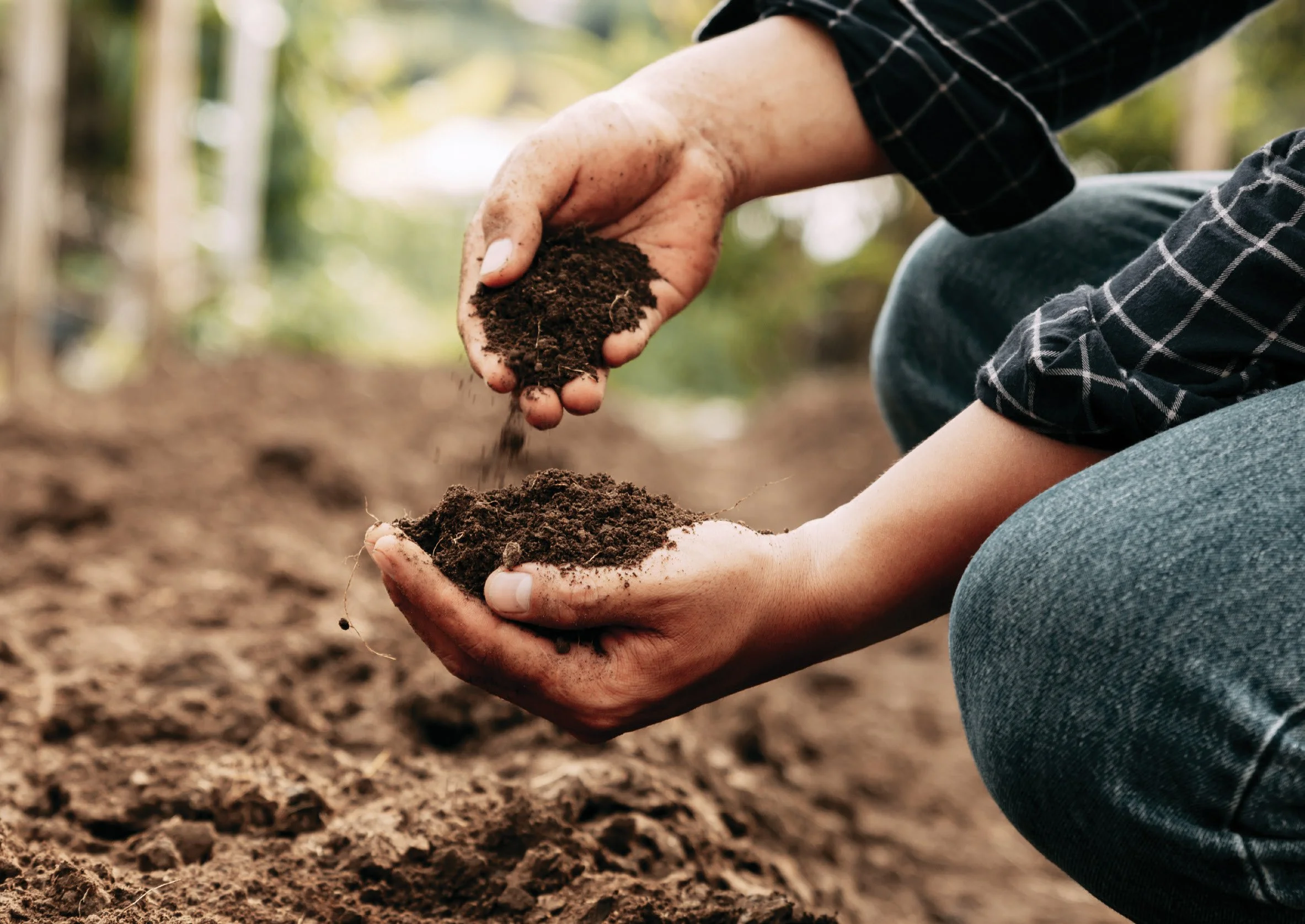
Gardening is more than a pastime – it is a powerful way to support our physical, mental and emotional well-being. Horticultural therapy has become widely recognized as a genuine approach to improving health. The simple act of digging our hands into soil can create meaningful shifts in how we feel, think and connect.
Physically, the benefits of gardening are generous. The gentle, low-impact movements involved in planting and weeding can build strength and improve mobility. Time spent outdoors increases exposure to sunlight and boosts vitamin D levels, resulting in stronger bones and immune function. Being immersed in a natural setting can reduce blood pressure and lower heart rates. But, beyond physical nourishment, the garden has a powerful effect on our mental well-being. If you’ve ever felt your stress wash away while tending to plants, there’s more to it than you might think.
TOSS THOSE GARDENING GLOVES
There is a powerful biological connection between soil and mental health. Soil contains a beneficial microorganism known as Mycobacterium vaccae, which has been linked to increased serotonin production – the chemical responsible for feelings of happiness and well-being. This may explain why time spent in the garden can feel naturally uplifting, even therapeutic. Studies suggest that gardeners report higher overall well-being and lower stress compared to non-gardeners. So, next time you’re working in the garden, take off those gloves and don’t be afraid to get your hands dirty.
PATIENCE & PURPOSE
Gardening teaches patience and humility. Gardeners are never fully in control – weather, soil conditions and natural cycles all play their part. Henry David Thoreau, the 19th-century naturalist, once wrote, “Resign yourself to the influence of the earth.” This surrender will foster resilience, acceptance and a deeper respect for nature’s rhythms.
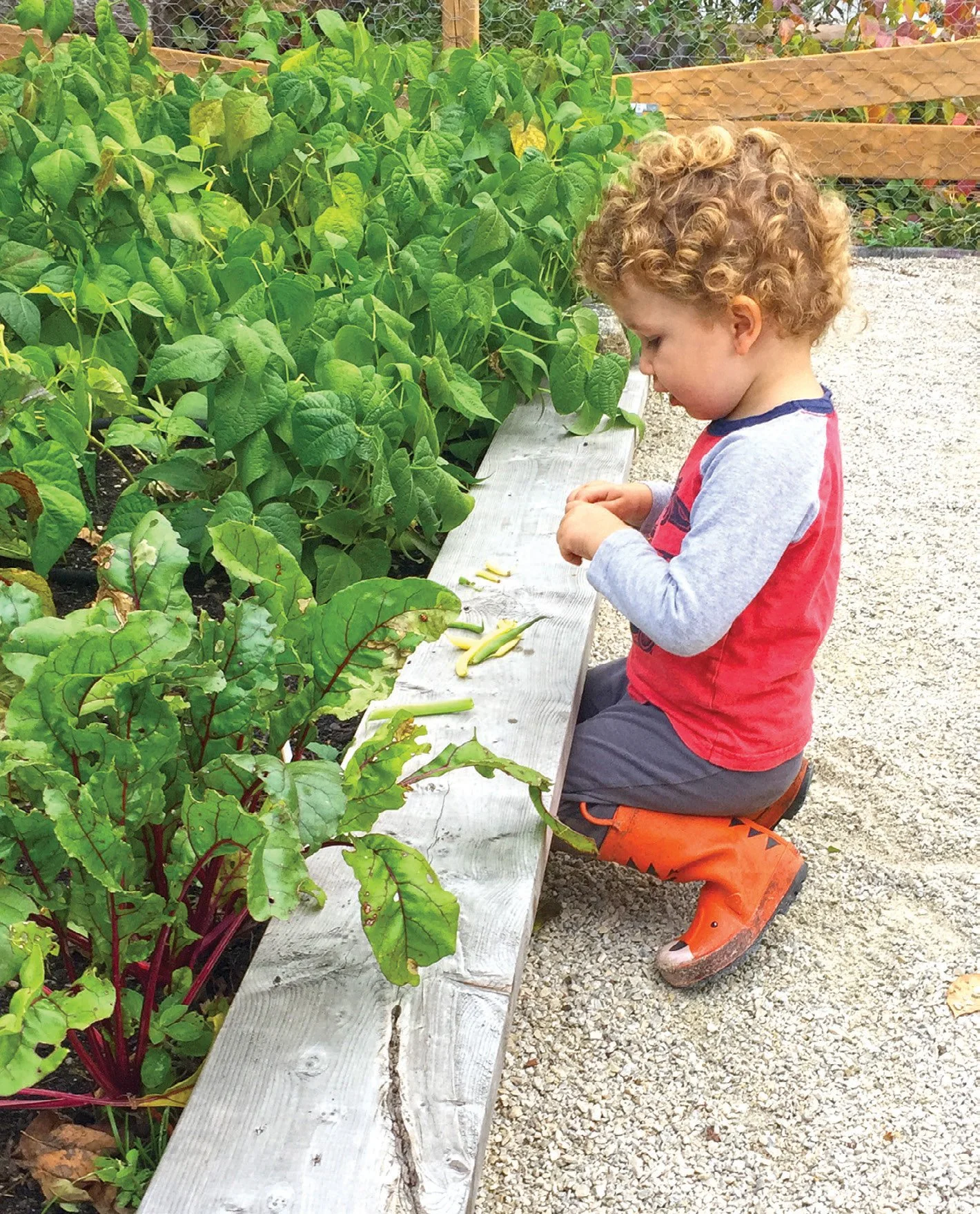
There’s also something to be said about how gardening nurtures a sense of purpose and accomplishment within oneself. Planting a seed, tending to it and watching it grow can significantly boost self-esteem. It provides visible proof that care and effort lead to growth. This can be especially meaningful for those of us experiencing stress or anxiety, as it offers both structure and a sense of achievement.
CONNECTION COMES FROM GROWTH
Fundamentally, gardens connect us to the living systems on earth. When we engage with plants, soil, insects and birds, we deepen our relationship with the natural world. This connection reduces feelings of isolation and fosters a sense of belonging. Gardens also connect us to one another. Whether through community gardens, sharing harvests or simply bonding with family, these interactions increase oxytocin – the hormone associated with trust and connection.
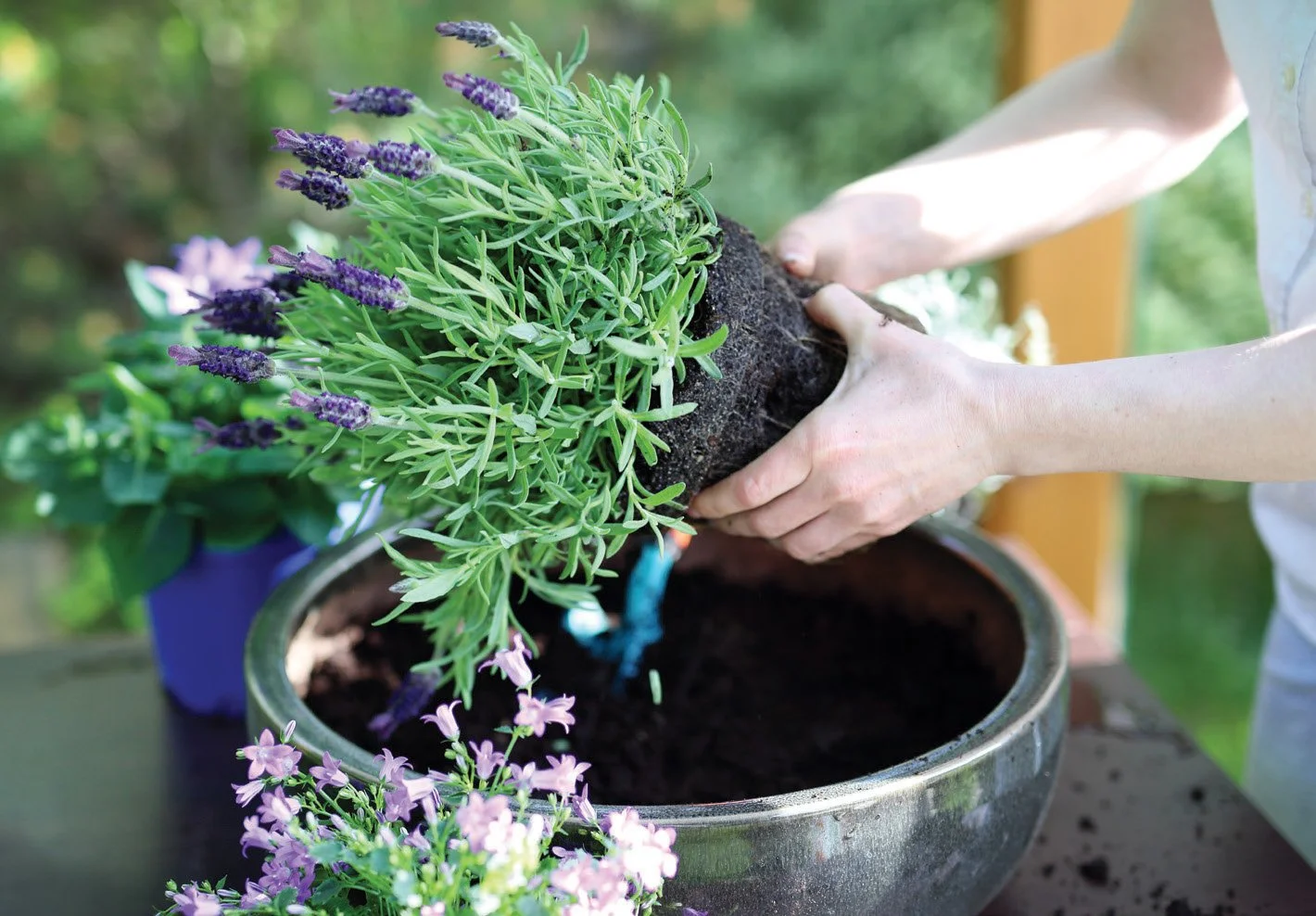
Beyond what grows, a garden can provide sensory nourishment. Bright, vibrant flowers can stimulate dopamine, the feel-good brain chemical that enhances mood and motivation. The colour green, one of my favourite shades, is naturally soothing to the eyes and nervous system. Fragrant plants like lavender can calm the body, and the scent of rosemary may help improve memory.
Nature also reveals patterns that can resonate deeply. The Fibonacci sequence, as seen in the arrangements of seeds in sunflowers and in the spirals of pine cones, reflects an inherent order and beauty in the natural world. Our brains recognize and respond positively to these patterns, adding to the quiet joy we feel while connected to nature.
At its core, gardening reminds me of something essential: growth takes time. There’s real beauty in slowing down, reconnecting with the natural world and participating in the cycles of life. It’s healthy to remember that just outside our doors, the garden offers not only nourishment for the body but healing for the mind and spirit. OH