Let It Be: Eco-Friendly Practices For Fall Garden Clean-Ups
STORY TERESA MATAMOROS
Gone are the days when, after a fall garden clean-up, there wasn’t a stick of anything left. All leaves were blown out, raked up and put at the curb, leaving the garden as clean as a sterile vacant lot. For some of us, this is how it was done way back when, but that was a long time ago.
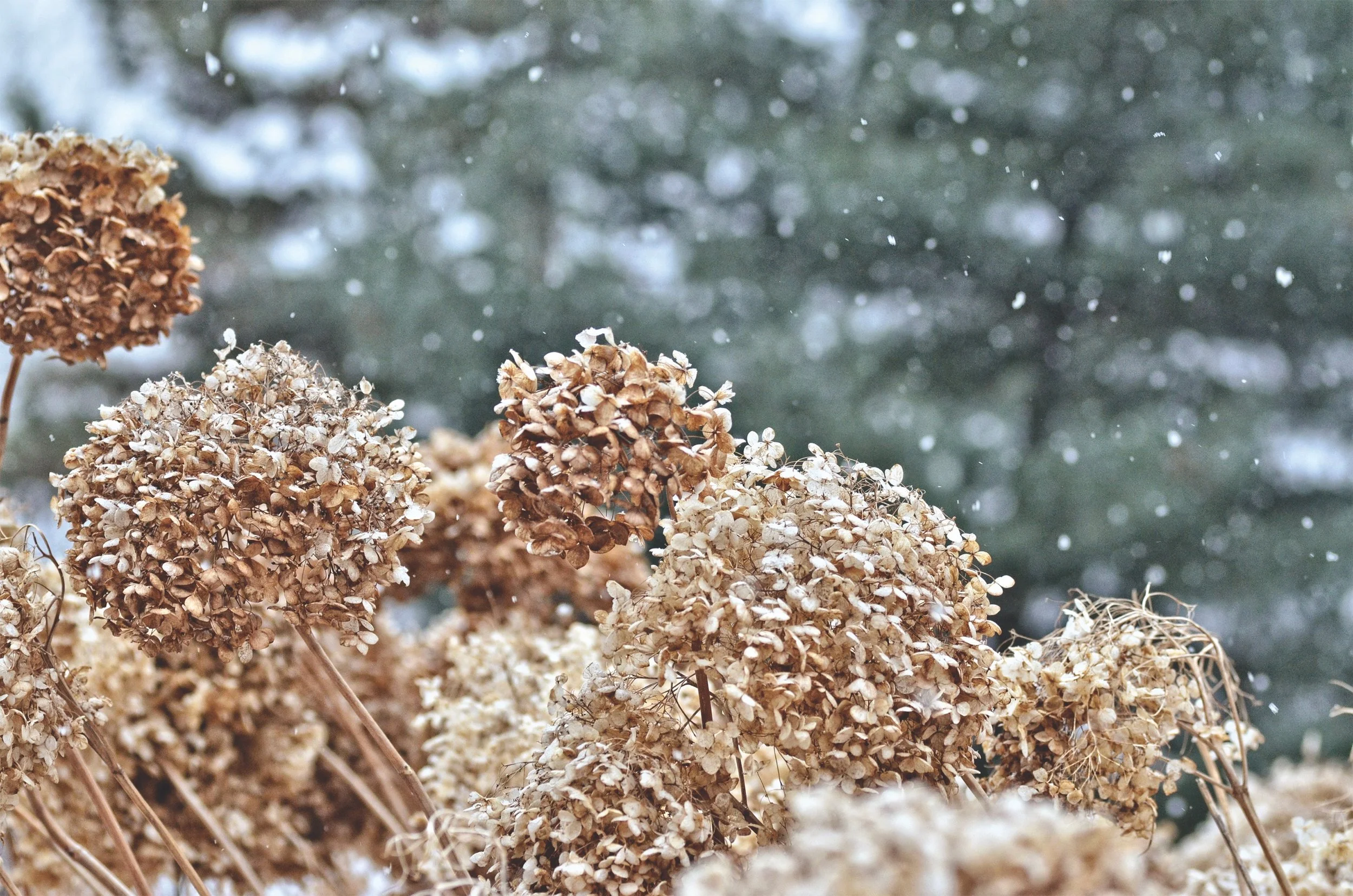
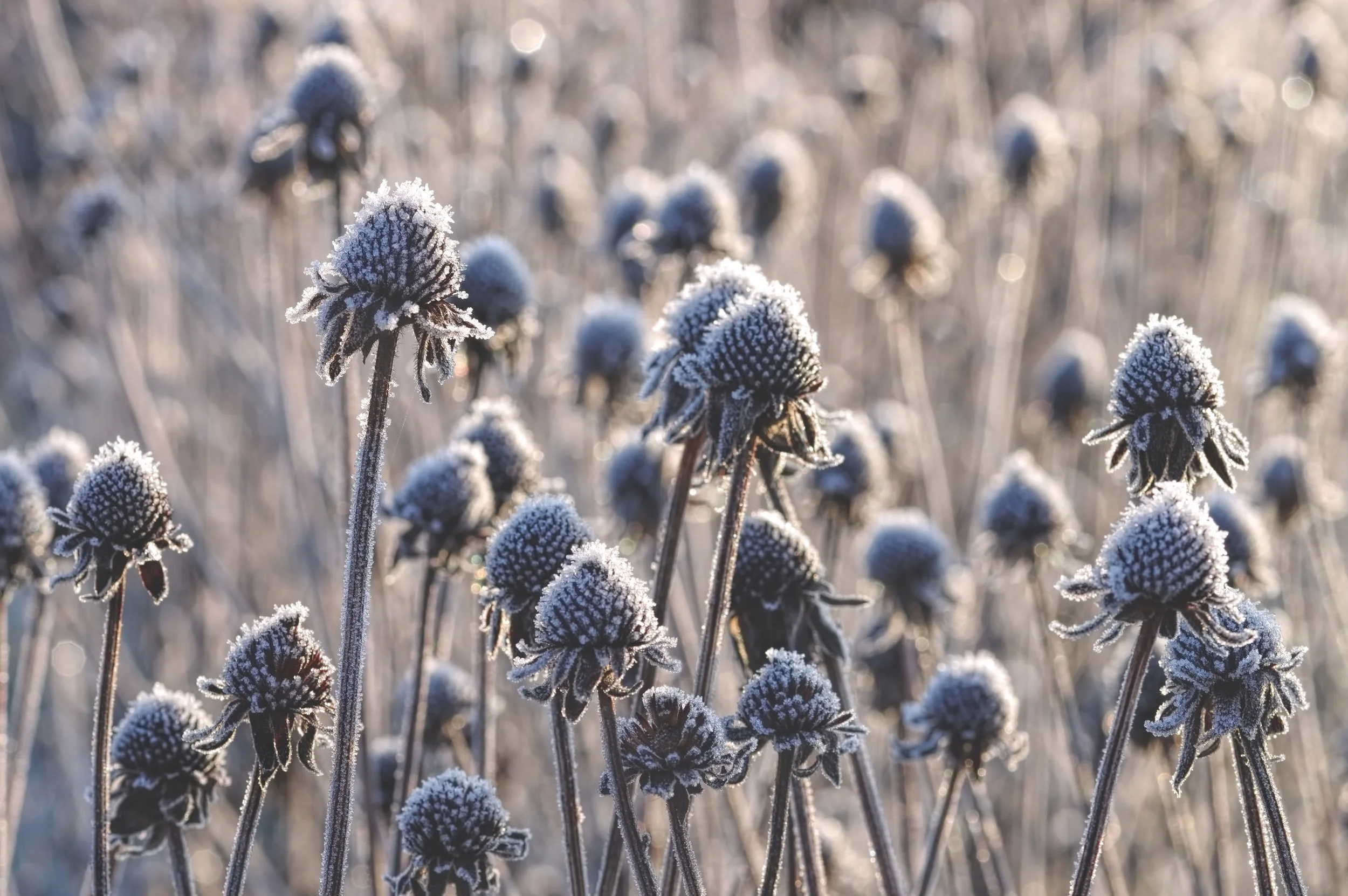
Now, the most difficult thing is to change the mindset. Leave the garden messy, as people may say. Leave the Echinacea and Rudbeckia up so their seeds are a food source in the winter for birds. Leave hydrangeas up because they look so pretty with snow on their dried flowers. There are lots of other perennials that have great form in the winter garden too. Not only does it make for a more interesting winter landscape, but you are doing a wonderful thing for the soil in your garden.
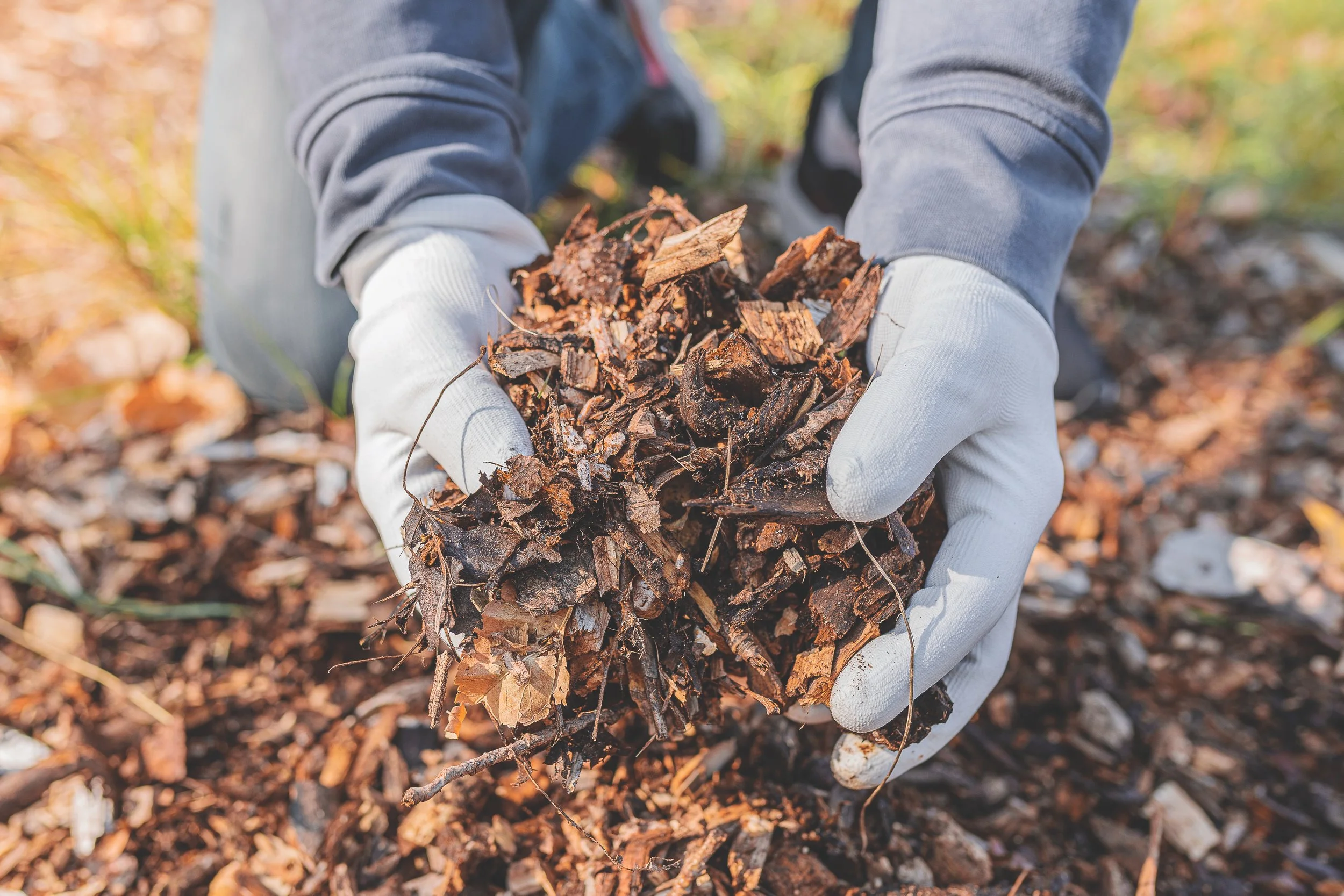
Leaving the leaves to overwinter in your beds is one of the best gifts you can give to your garden. The fallen leaves provide a natural mulch, helping to moderate soil temperature and keep in moisture. When the leaves break down, they add back to the soil the very nutrients your trees, shrubs or perennials took out and they play an important role in maintaining a healthy soil food web. Beneficial microorganisms like bacteria, fungi and nematodes release nutrients, making them available for plants.
The leaves also provide a habitat for beneficial insects. Spiders and ladybird beetles will have a place to overwinter. Praying mantises lay their eggs on plant stems, and garden beetles eat everything from snail eggs to caterpillars, just to name a few.
What To Cut
Some perennials such as hostas or peonies can be cut back as they tend to go to mush after a good hard frost. Any plant that is diseased should be removed from the garden and put in the garbage, not composted.
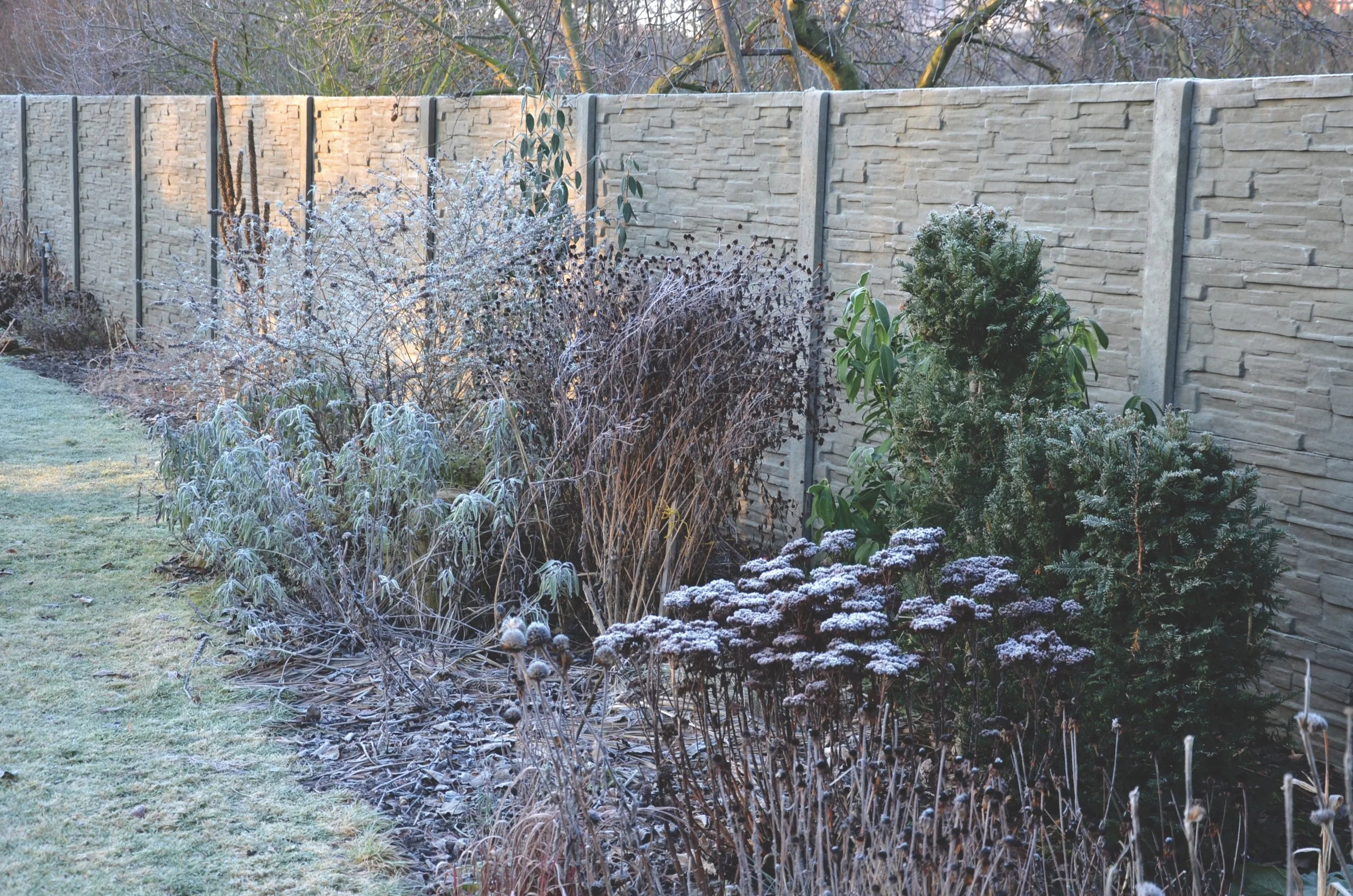
Generally speaking, leaving plant stems up adds protection against recent wild weather swings. The stems are more likely to catch the snow, and create a blanket of protection. As we know, the snow is a great insulator and when we cut everything down in the garden, there is nothing left to catch and keep the snow in place. When the soil is bare, the roots of all plants can be subject to frost heaving. It’s when we don’t have a good snow cover that we see a lot of winter kill in the spring.
While you don’t want a heavy blanket of anything on the grass for the winter, leaves on the lawn can be mowed over so they are mulched and left to enrich the lawn if there aren’t too many. You could always use the mower to mulch the excess leaves and shoot them into the garden!
Clean Your Tools
Eco-friendly practices for fall clean-ups also include taking good care of your tools before you put them away for the winter. Make sure all rakes, hoes, spades and shovels are cleaned and oiled. Better quality secateurs can be taken apart and cleaned, oiled and sharpened. Your tools will last a good long time when they are well cared for. Less is more in terms of fall clean-ups.
You do less work, use less fossil fuel and resources, reduce your carbon footprint and improve the biodiversity, all while making your garden healthier and more beautiful at the same time! Follow Mother Nature’s lead and we’ll all be better off! OH