
Mixed Borders
STORY TERESA MATAMOROS
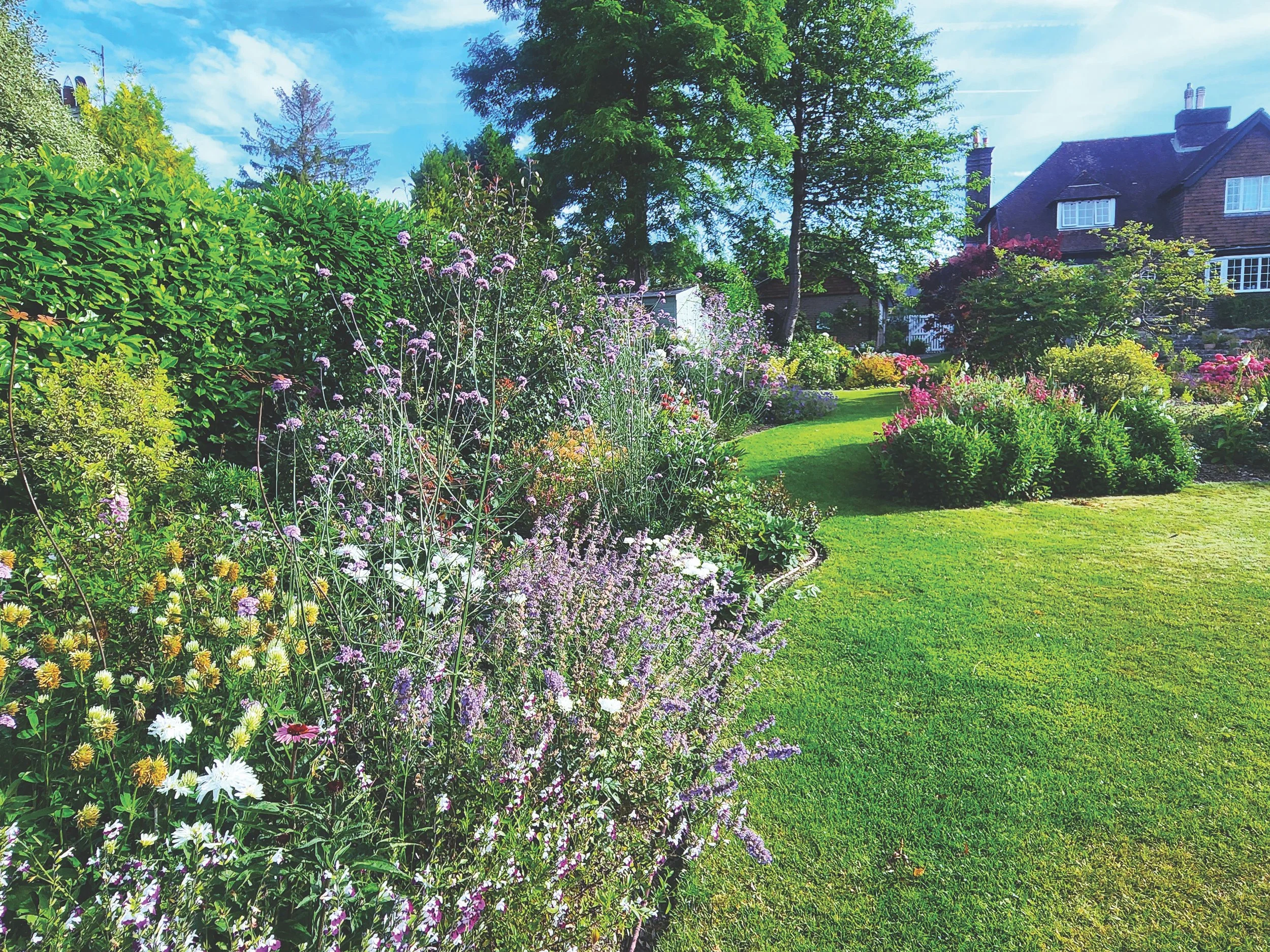
Gertrude Jekyll, the doyenne of gardening, first introduced the mixed border to Victorian England. We have her to thank for the loose “cottage” garden style – reflecting a kind of controlled chaos – that continues to inspire gardeners today. It’s also my personal favourite style.
WHAT IS A MIXED BORDER?
A mixed border is exactly what it sounds like: a carefully curated mix of plants that offers interest throughout the year. This type of garden bed includes evergreens for year-round structure, shrubs for height and framework, grasses, perennials, annuals and bulbs for seasonal colour and variety. It has something for everyone.
If you’re building a mixed border from scratch, there are several factors to consider: site evaluation, objectives and then plant selection. Regardless of the first two considerations, most mixed borders should have:
ROOM TO GROW
Mixed borders need space to shine. At least six feet wide is ideal. Add stepping stones tucked into hidden spots to allow for access and maintenance.
ALL-SEASON INTEREST
Plan for year-round beauty. Start early with spring bulbs that overlap into summer bloomers. Ornamental grasses, evergreens and structural shrubs can carry your garden into fall and even into the winter holidays.
COLOUR AND REPETITION
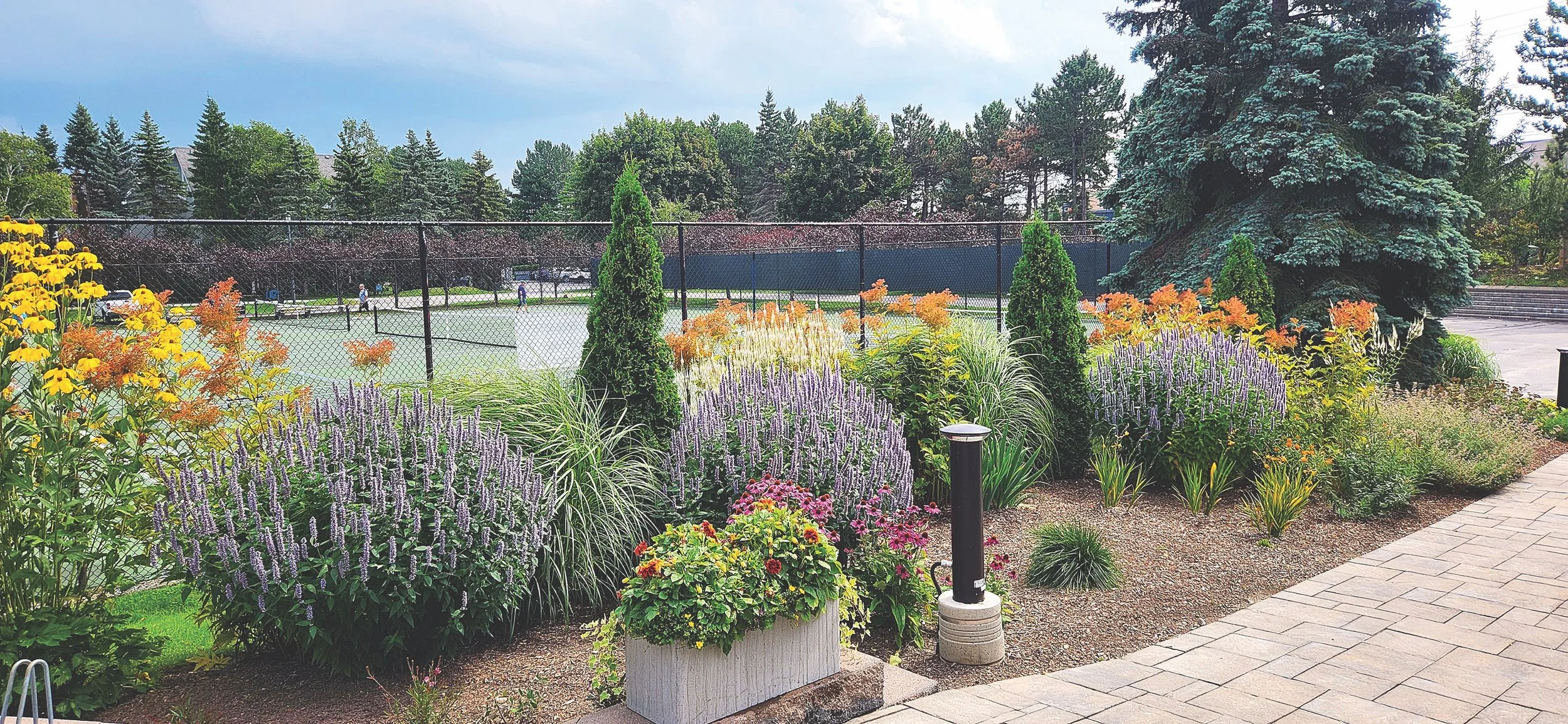
Repeat colours throughout the bed to guide the eye. You don’t need to repeat the same plant; stick with similar tones. Neutral tones like white or grey can serve as buffers between colours that might otherwise clash.
FOLIAGE FOR CONTRAST
Even when flowers aren’t in bloom, contrasting foliage creates visual interest. Use different textures, shapes and colours of leaves to add depth. Using tropicals with big, bold leaves – such as canna, palms, elephant ears or bananas – in colourful containers adds an exotic feel and a wow factor to the border.
STRUCTURAL FRAMEWORK
Create a mix of formal and informal elements. Some of the most inspiring gardens use clipped boxwoods or yews to provide structure for otherwise wild and exuberant plantings. (Note: Due to the spread of the box tree moth, consider alternatives to boxwood.)
You can also introduce formal elements within a relaxed setting by using sculpted topiary plants or dwarf Serbian spruce, bird’s nest spruce, dwarf pines or weeping conifers for striking winter silhouettes.
Vertical elements help break the horizontal plane and can be achieved with obelisks and arbours with climbing vines like clematis.
LAYERING AND PLANT PLACEMENT
Tall plants typically go toward the back of the border to provide height and a backdrop. However, don’t be afraid to add some taller varieties with an airy or open structure, such as Verbena bonariensis. Ornamental grasses such as Molinia ‘Skyracer’ moor grass can be planted toward the front or middle to add movement and vertical interest without blocking the view.
PRACTICAL TIPS
Sun and Shade: A combination of both will expand your plant palette, but also add to the challenge.
Complementary Plant Pairings: Combine plants based on compatible textures, forms and growth habits.
Repetition Creates Unity: Repeating elements like colour, texture or form ties the garden together, facilitating the cohesive element.
Edibles: Placing a few colourful herbs such as variegated sage, basil, purple kale or even a tomato plant or two in the border is a wonderful idea, especially if you don’t have the space for a separate vegetable garden.
MAINTENANCE & LONGEVITY
While mixed borders are lush and dynamic, they’re not entirely low maintenance. Expect to do some deadheading on perennials, weeding and pruning.
However, once the garden is well-established and densely planted, it will help suppress weeds and require less effort overall.
Don’t be intimidated by the time it takes to create a mixed border – it evolves. The beauty is in its flexibility. Start planting and enjoy watching it grow year after year. After all, the best thing about starting today is that something beautiful will already be there tomorrow. OH