
Sow Easy
STORY AND PHOTOGRAPHY MELANIE REKOLA
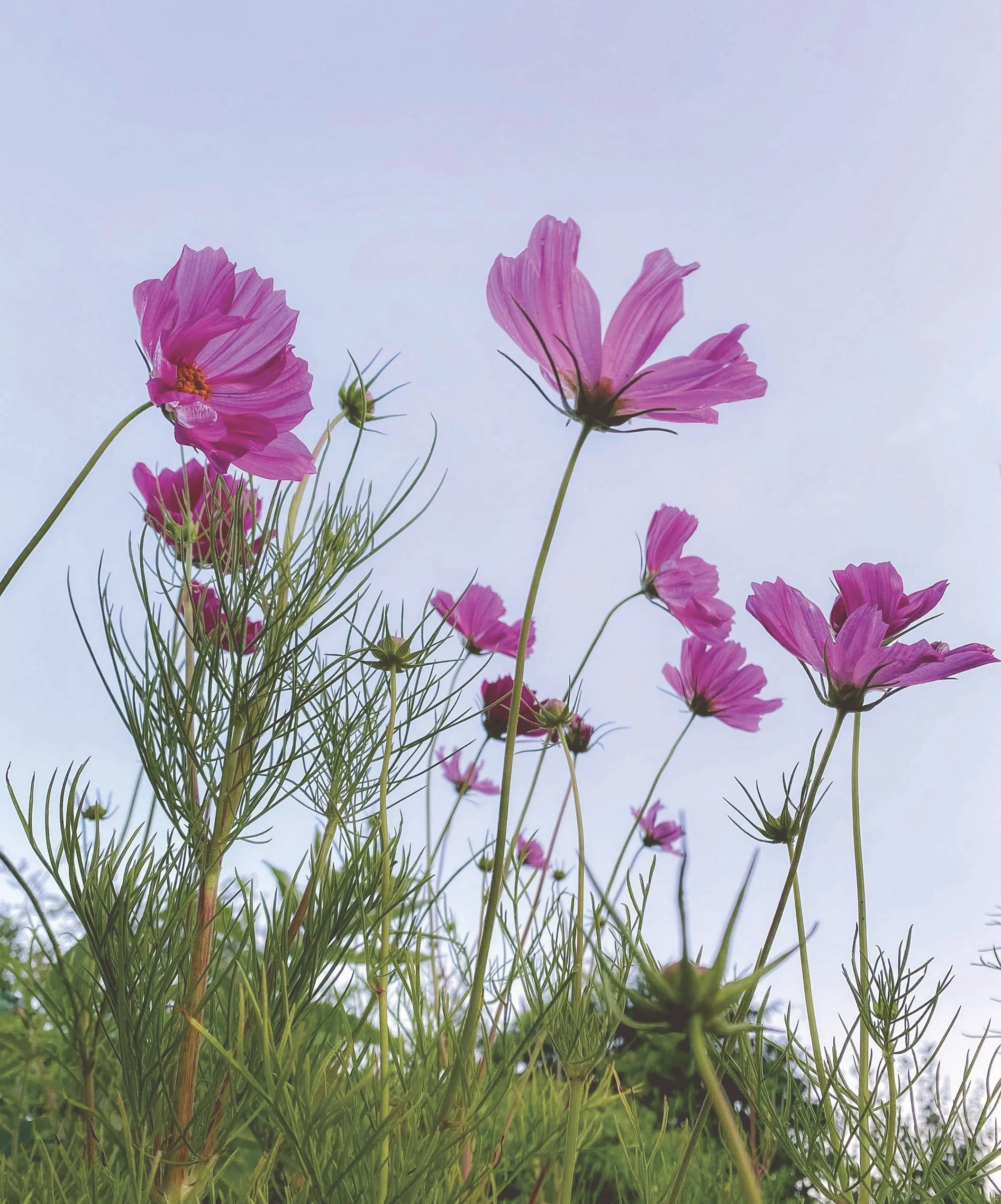
Most garden seeds (both flowers and veggies) are readily available online and at your local nursery, often in varieties you might otherwise never find. Plus, growing plants from seed is an inexpensive, fun and rewarding process. Most seeds can be started indoors earlier in the growing season but for this piece I’m focusing on the direct sowing method because it’s terrifically simple. Direct seeding/sowing means to plant seed directly in the garden. Sounds easy doesn’t it? That’s because it is!
Unlike their inside-grow counterparts, seeds that have been grown in place don’t experience the stress of transplanting and won’t need to adjust to their new surroundings. Often you won’t lose any time at all direct-sowing and I learned this (again) firsthand during last year’s growing season when a friend gifted me a variety of veggie seeds in June. With no time to start indoors I had no choice but to direct-sow them. To my surprise, many of these sown-in-place seedlings grew better and produced more than the ones I started inside the previous months.
TIPS FOR SEEDING SUCCESS
Though direct-sowing is easy, it doesn’t mean your new plant babies won’t need care. Follow these tips for the best direct-seeding success:
Make sure to clear your seeding area of any weeds and have the soil loose, damp and ready for planting.
Most of the specific sowing info per plant variety is found on the seed packet.
Please read carefully. The rule of thumb is to plant a seed three times as deep as its circumference, but some require light or a cold stratification to germinate. Also keep in mind that when to sow is equally important, as some seedlings are frost-hardy and some are not.
Mark your spot. It’s really easy to forget where you planted seeds once springtime growth is in full swing.
Water your seeds gently as needed until you see germination, then again whenever you see the soil surface looking a bit dry. Watch the weather and adjust your watering. Schedule accordingly as seedlings can easily die from drought or drowning at this delicate stage.
If you have a good germination rate, you may need to thin your seedlings to give them airflow and room to grow. I find it’s better to pinch the unwanted seedlings off at the base because pulling them disturbs their delicate, young root systems. If the unwanted seedlings are edible plants you can eat them, too.
Keep watching and caring for your new brood until they’re established plants, and always be on the lookout for pests and predators. Some insects love to snack on and decimate defenseless seedlings.
PRO TIP: After your seed garden is well established, don’t forget to sow succession crops of both flowers and veggies to keep those beautiful blossoms and edibles coming all season long. You can even save some seeds at the end of the season for next year.
MELANIE’S PLANT PICKS
Annual flowers, vegetables, and even some perennials are great candidates for direct-sowing. Some plants even seed themselves for subsequent years. Here is my list of favourites, but please don’t let it limit you. There are many others that will work.
THE EDIBLES: Beans, salad greens, parsley, basil, dill, borage, cilantro, fennel, beets, carrots, peas and radish.
BLOOMS-FOR-DAYS ANNUALS: Cosmos, zinnia, calendula, sunflowers, nasturtium, nigella, bachelor buttons, california poppies, morning glory and moonflower.
DEPENDABLE PERENNIALS/BIENNIALS: Foxglove, blue flax, black eyed susans, milkweed, butterfly weed, columbine and lupine.