
Sporting Gear Storage
Designer Tamarisk McNalty Stephens shares her ideas.
Storage for your sports gear isn’t given much consideration when planning and designing a new home or renovating an existing one. However, if an average family stays relatively active and participates in organized sports or recreational activities, a significant amount of equipment can accumulate, which requires substantial square footage.
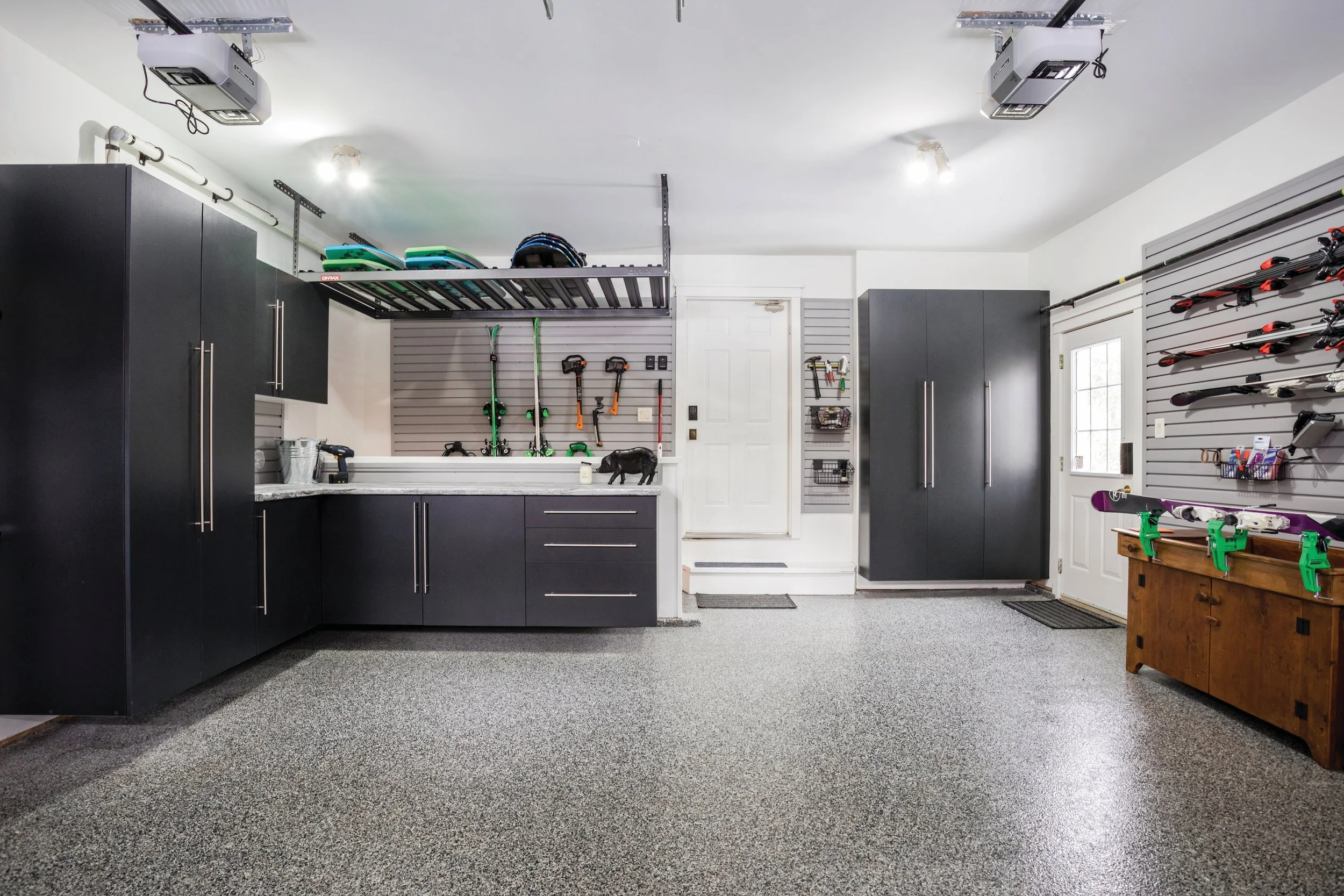
Photo courtesy of WILSON SOLUTIONS
Gear varies based on individual and family interests but can include:
camping tents and cookware
fishing poles and tackle boxes
golf clubs
bicycles
rollerblades, skateboards and scooters
helmets
lacrosse sticks
soccer balls
footballs and cleats
baseball gloves
balls and bats
curling brooms
skates and hockey equipment
skis, snowboards, boots and poles
tennis racquets and balls
canoes, SUPs, kayaks, paddles and life jackets
motocross and snowmobile gear
Proper storage solutions make it easier to keep a tidy home and an organized system allows family schedules to operate more smoothly during busy seasons when you need to get out the door to the big game. Here are some tips for planning functional sports equipment storage in the home.
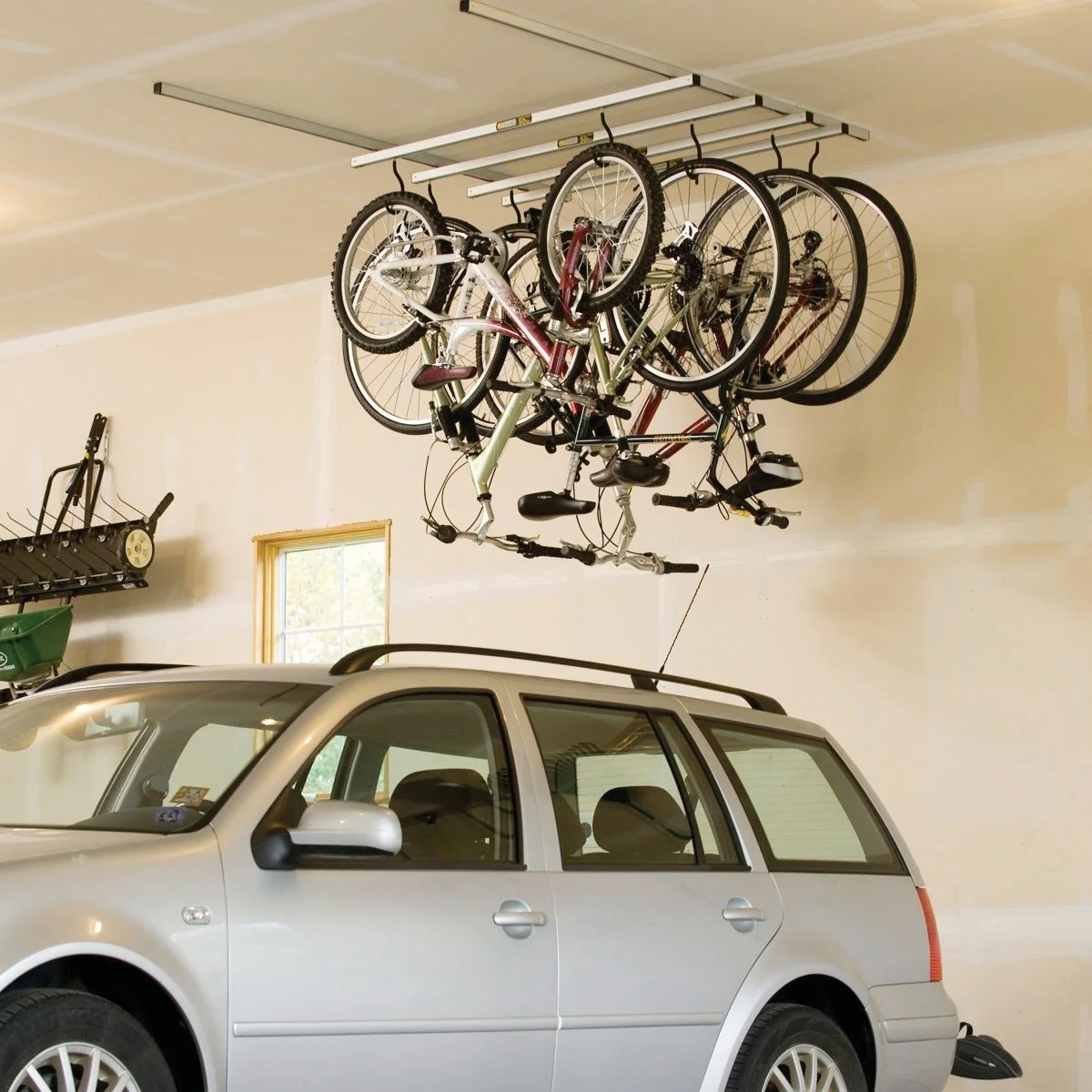
SARIS: Cycle Glide
TAKE INVENTORY
To determine what storage solutions you need, you must first evaluate what you have. Go through everything and donate, sell or pitch gear that is outgrown, worn out or irrelevant. Once you have purged, determine which items can be stored in a garage, outbuilding or shed without air conditioning or heat, and which items will need to find room in the home (so mould doesn’t grow and rodents don’t chew).
SPACE/LOCATION
Think about what gear you need to access in each season. Depending on space, you may need to design a system that can rotate between summer/winter sports. Take a look around your home to determine if there is space not being utilized to its potential. Whether it’s a closet, a corner in the basement, a spare room upstairs, space under the stairs, or some wall space in the garage that can be transformed into gear storage – claim it as such. Locating storage in an area accessible to children can encourage them to take responsibility for putting away their gear. They’ll know where to find it when they need it and proper storage can also prolong the life of equipment.
INCORPORATE TARGETED SOLUTIONS
Some equipment should be aired out after each use, so specialized hanging racks should be considered essential (and good ventilation is key!). In-floor heat in a mudroom also helps dry items quickly in the winter.
Make use of overhead space in a garage for hanging bikes, canoes, kayaks, etc. In addition to typical hooks, baskets and shelves, a slat-wall system offers flexibility you can tailor to your needs with specialized attachments. You can install mesh baskets for balls, wire shelves/ baskets for boots and cleats, stands that keep golf bags off the floor, shelves and hooks for skis and boards, racquets and various helmets, and utility hooks for paddles and fishing rods. Wall-mounted clips can keep hockey sticks, curling brooms and lacrosse sticks organized.
Deep customized wood shelving is handy for storing large totes and clear bins for camping equipment, off-season gear and hockey bags.
Locker room-style storage with a designated space for each person keeps their belongings organized. There are also bags designed to accommodate specific equipment, which keeps required items together for easy access when heading out.
MATERIALS
Use appropriate materials and finishes that can stand up to wear and tear. Consider solid wood for doorjambs, casings, millwork and wall treatments (it stands up better than MDF to heavy use). Drywall corners with a radius are generally less susceptible to damage and chipping from being bumped. Durable floor surfaces such as porcelain tile and concrete can be swept and mopped easily. OH