
Furnish Your First Home Sustainably
Designer Tamarisk McNalty Stephens explores the principles of sustainable living.
You’re a millennial who has just entered the housing market. Now that you have a place, you need to furnish the space. But how can you make it sustainable and eco-friendly?
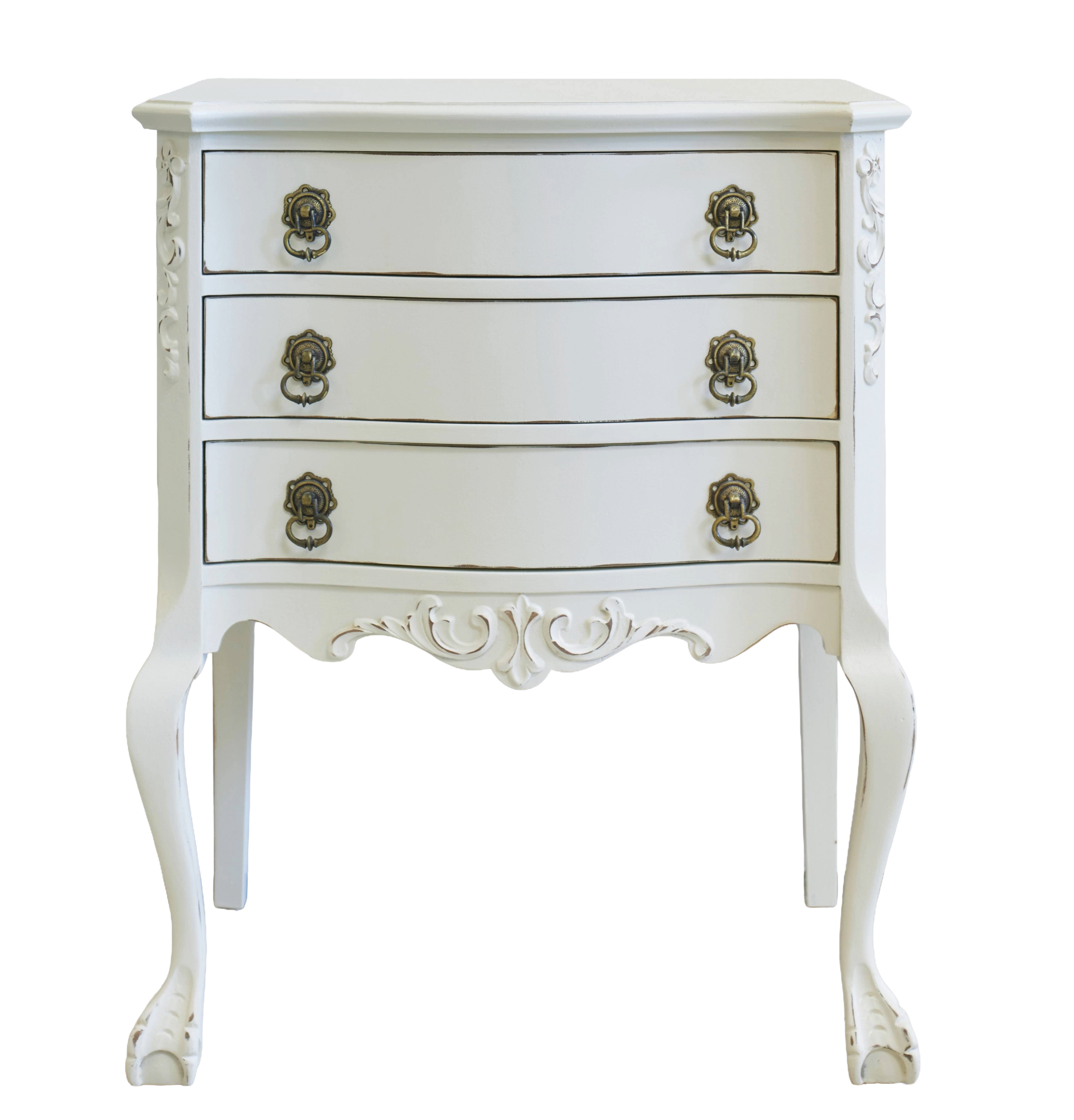
MY BACK SHED: Refurbished Furniture
Where to begin?
The desire to have a space that feels finished the moment you move in is understandable. However, we must move away from instant gratification and towards playing the long game. The reality is that making environmentally-conscious choices takes time and energy – and that’s okay. Plus, curating a space over time will create a finished product that is much more personal and reflective of your unique style.
FURNITURE
One of the easiest and simplest ways to be more sustainable at home is to purchase fewer items. Before buying, ask yourself: Is this a “need to have” or a “nice to have”? You can hunt antique markets, local second-hand and vintage shops, estate sales and online e-commerce sites for furnishings. Investing in pre-loved pieces is a great way to contribute to the circular economy.
You can often find high-quality pieces in good shape and for a great price! Antique and vintage pieces provide the opportunity for you to express your style with character, charm and uniqueness that homogeneous, run-of-the-mill, mass-produced furnishings simply cannot. Use your creativity to reimagine a piece of furniture by giving it new life with a fresh coat of paint, learn how to refinish wood or experiment with basic reupholstery. And when you do buy new, invest in quality, locally-made pieces that will stand the test of time. The life cycle of fast furniture is often short and it will need to be replaced in five to 10 years. More product equals more resources – and there’s nothing sustainable about utilizing more raw materials and consuming more energy. Purchase goods that you can envision loving long-term and avoid trends. Buy for style and longevity.
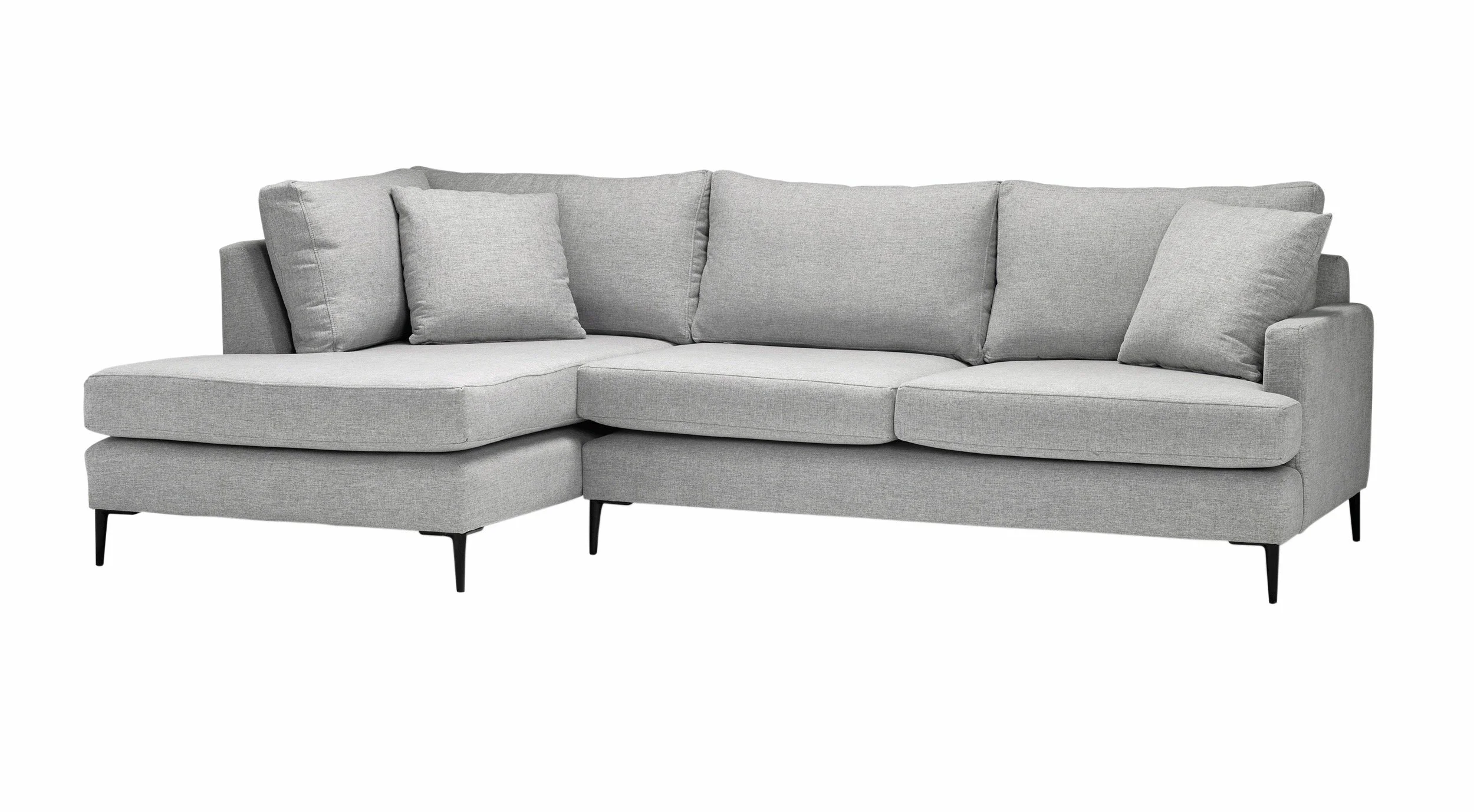
STYLUS: Ramos Sofa
APPLIANCES
Reduced energy consumption is only one element to consider when purchasing appliances. Support companies that prioritize environmental initiatives, such as manufacturing durable products, utilizing metals that can be easily recycled, restricting hazardous materials during manufacturing and providing a recycling program at the end of the product’s useful life.
You can often find second-hand appliances that function perfectly well and are in great shape. Also, peruse the scratch-and-dent section of local stores – you can find quality-made appliances with minimal aesthetic damage. You can always put a grocery list or piece of art over top of a small scratch on a fridge. If you don’t like the colour or finish, research how to paint appliances to suit your desired aesthetic. Finally, learn how to fix things (or be willing to pay someone who can). The cost of goods has become so affordable that instead of repairing something we replace it. That mentality is simply not sustainable.
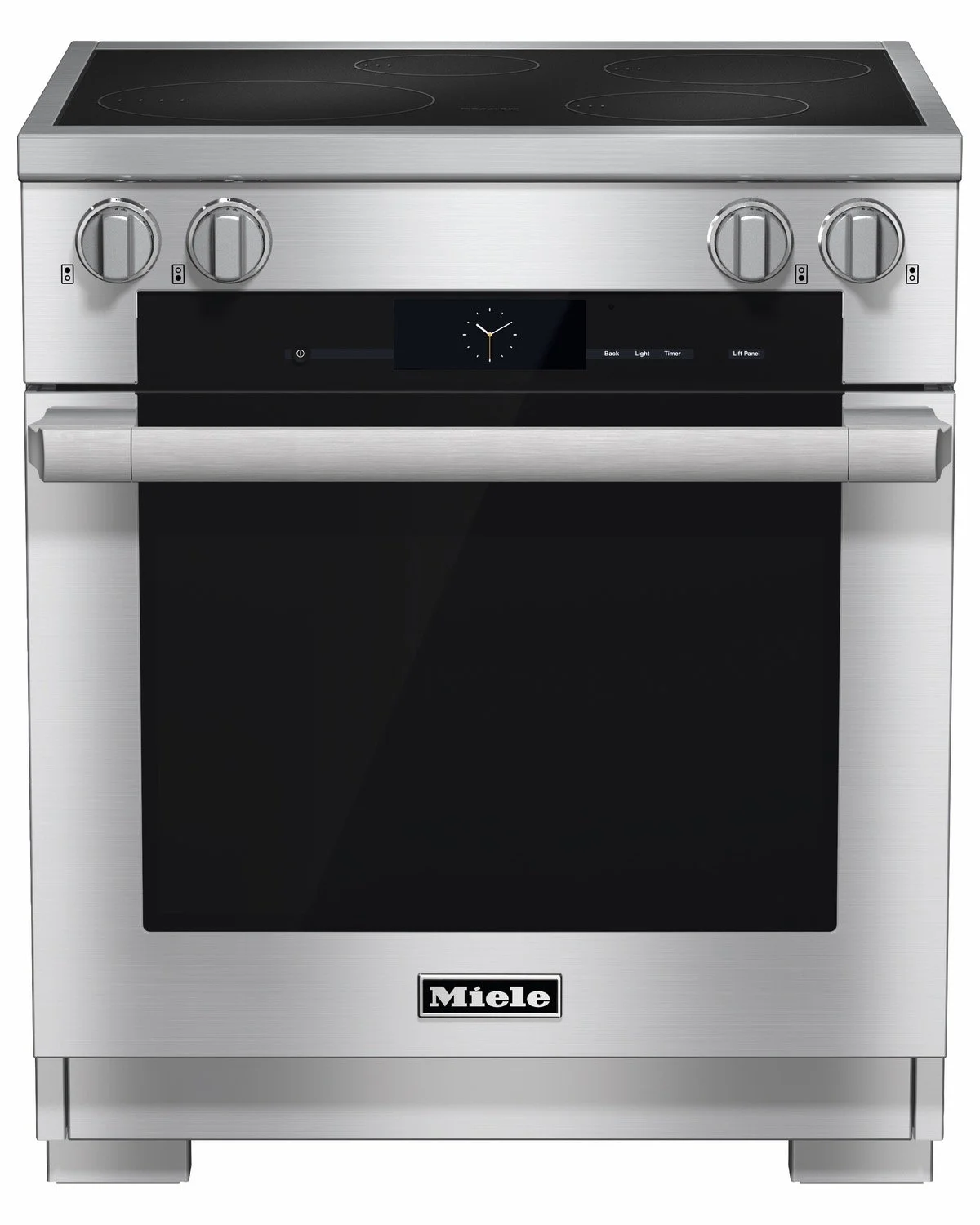
MIELE: 30 inch All Electric with Induction Hob
ACCESSORIES
Accessorizing your home is where you can let your resourcefulness shine. There are so many second-hand accessories available for you to upcycle, recycle and reimagine. See how creative you can be!
Vintage rugs are worth the investment and no one will have the same one. They have already been around for many years and with proper care they will last for many more. Plus, they are often made of wool and other natural materials and will biodegrade more easily than carpets made from synthetic materials. Support local artists and artisans by purchasing a unique piece of art for the walls or everyday utilitarian items, such as hand-thrown coffee mugs. Buying local isn’t just sustainable, handcrafted items add a different energy to your home.
Another way to instantly accessorize your home is to introduce houseplants – it is one of the simplest and most affordable ways to add texture, interest and colour to a space. OH
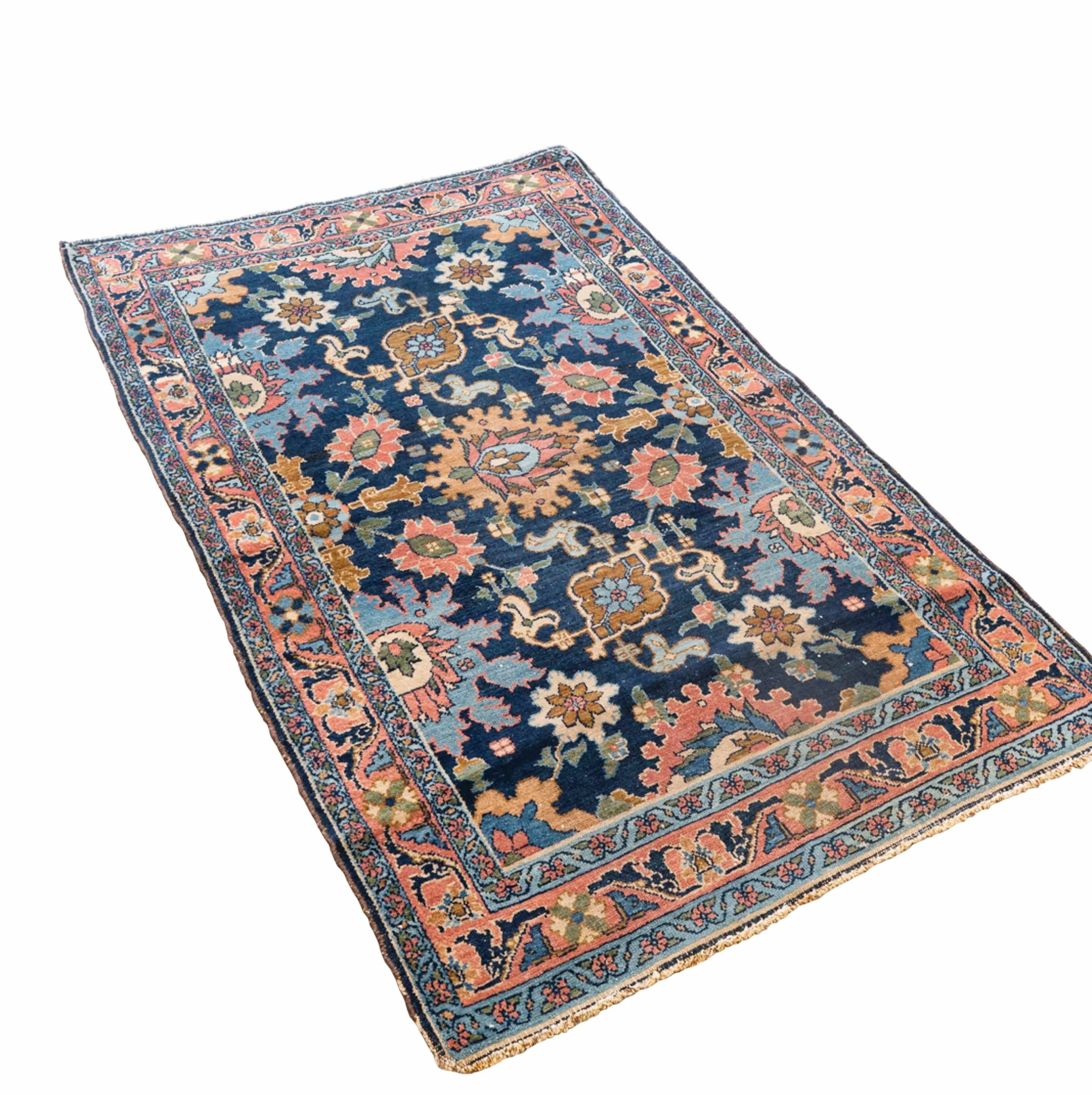
RUG & WEAVE: Antique Persian Hamadan Wool Rug