
The Ethics Of Sourcing
Designer Tamarisk McNalty Stephens shares her ideas.
The housing industry contributes significantly to the Canadian economy and plays an important role in our local – and global – communities. However, the procurement of products involved in the construction, design and decoration of our homes can also have a significant impact on the well-being of both people and the planet.
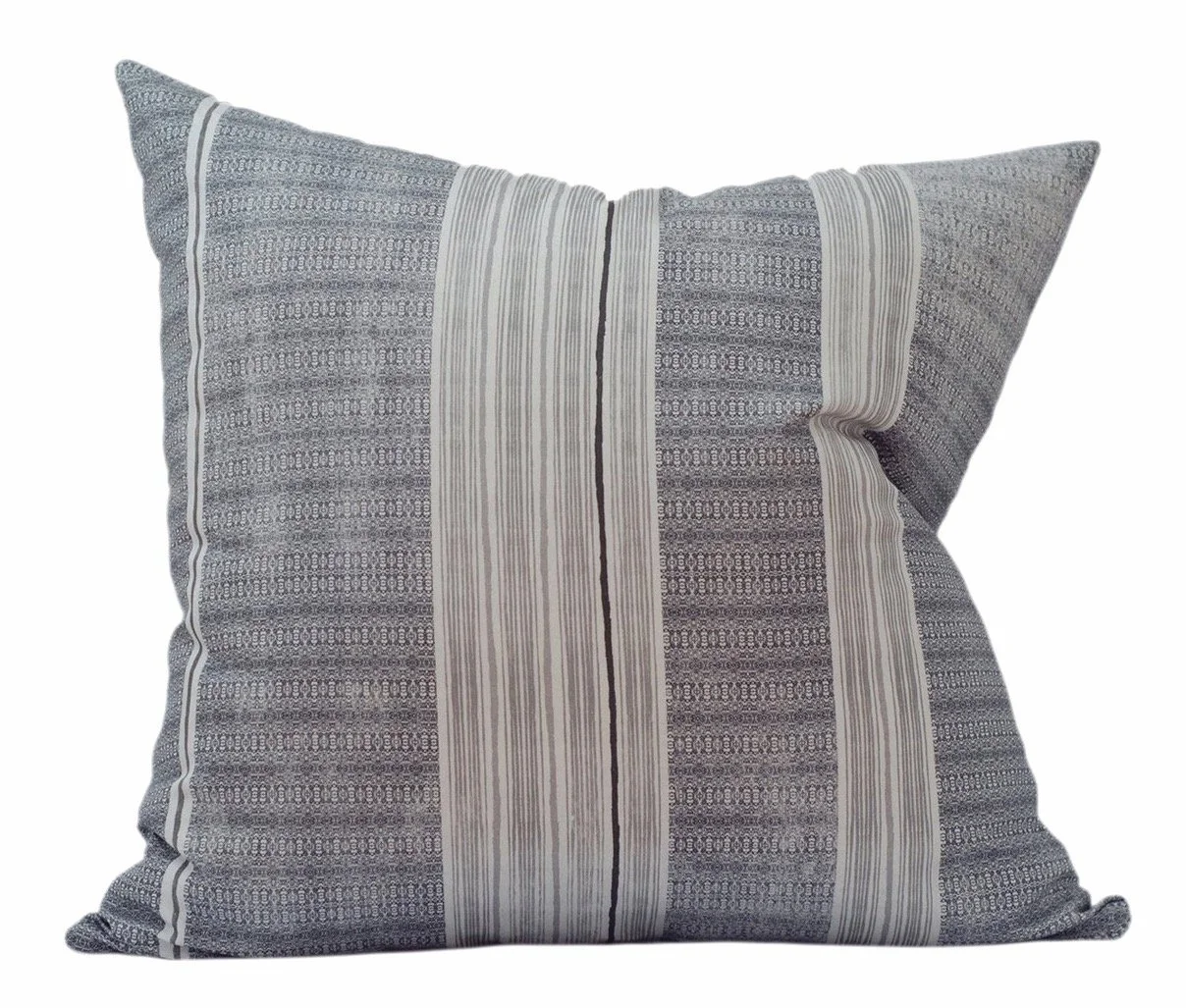

To meet a growing expectation from consumers, businesses are adopting an ethical sourcing approach to ensure products are obtained responsibly and sustainably. To be effective, it depends upon the integrity of the entire supply chain to include environmental standards as well as a commitment to safe working conditions, fair labour practices and living wages for the workers producing the goods.
In a global economy, with different environmental and social standards across countries, this can be a complex, layered issue – so how do we know where to begin?
Here are some simple ways we can all source more ethically:
Choose less. The most sustainable product is the one that is not produced.
Choose local. A local supply chain reduces shipping, emissions and energy usage.
Choose vintage, reclaimed, recycled or upcycled. Reuse or repurpose a material or product that is already in circulation.
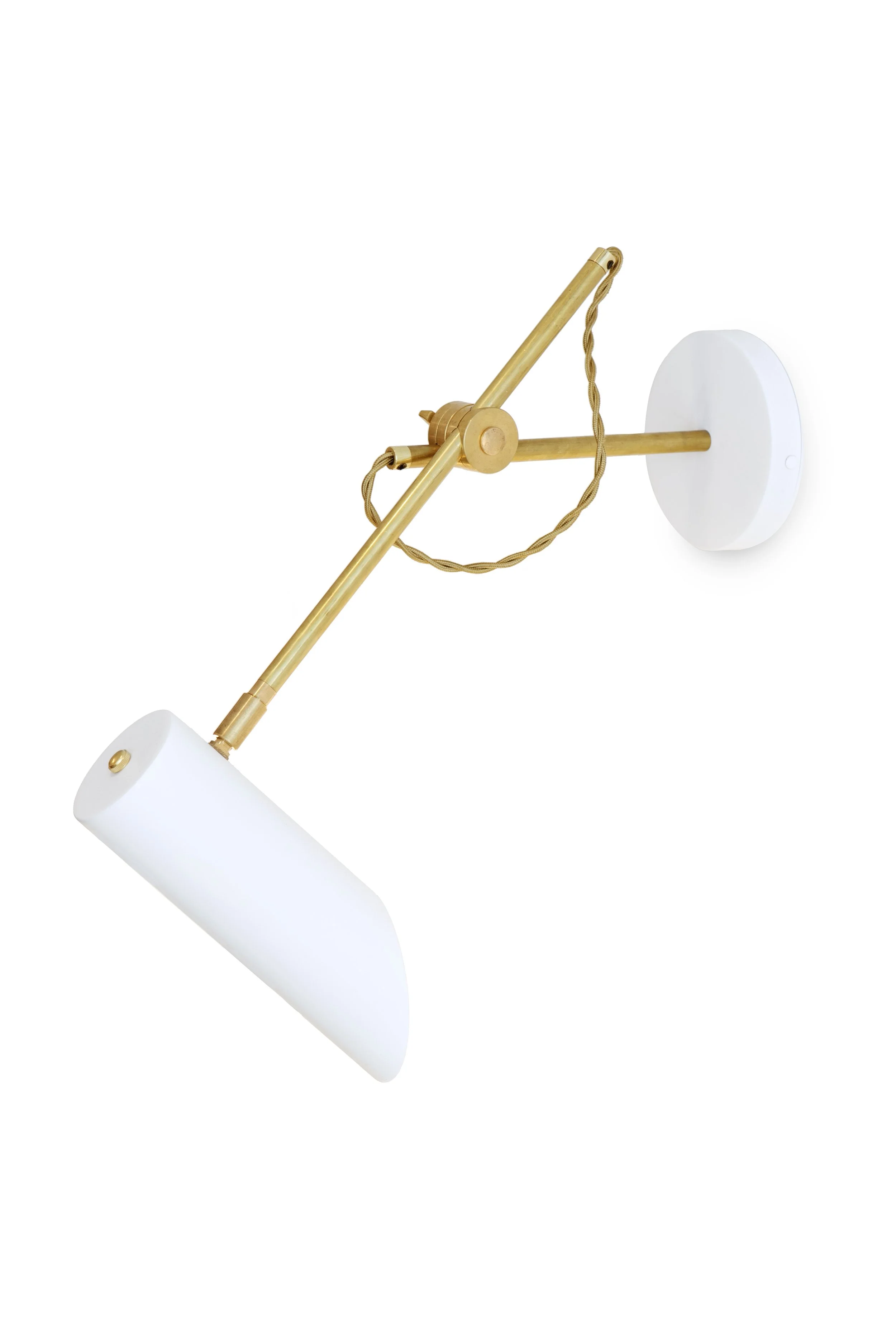
LUMINAIRE AUTHENTIK: Talo 12 LA00 & Sub 09 03-LA43 (Drawn, designed and made in Quebec)
When sourcing, do your own research and don’t be afraid to ask the supplier questions on the procurement of goods. Businesses must take responsibility for the goods they provide. A transparent process builds trust with customers.
Where was this product manufactured?
How was this product manufactured? What resources and energy were required?
What raw materials were used in the production? How sustainable are they?
Does the production of this material cause environmental degradation to the local ecosystem?
What is the company’s policy surrounding ethical sourcing?
Are the working conditions safe for those who produced the product? Are living wages and fair labour practices ensured?
What will happen to this product at the end of its useful life? Does the company offer a recycling program? Will it eventually biodegrade? Or will it end up in a landfill?
Several certifications have been developed to help consumers identify responsibly sourced products. Although these certifications provide a good starting point, it’s important for buyers to continue asking questions and performing independent research to understand the certification requirements. Consumers can also identify products that may not carry certification, but the producer/ supplier/business may still have high independent standards for their procurement of goods. Examples of certifications to look out for:

PURPARKET INC.: Engineered Hardwood Flooring (VOC free, CARB Phase II Compliant and made in Canada)
Fairtrade – sets standards for sustainable production and livelihoods for factory workers and farmers.
FSC (Forest Stewardship Council) – responsible forest-management standards.
GoodWeave – certifies child-labour-free rugs.
GOTS (Global Organic Textile Standard) – products meet strict organic criteria.
Nest Ethical Handcraft Program – monitors artisan supply chains for ethics and sustainability.
OEKO-TEX – textile certifications concerning health, environment and fair manufacturing.
RWS (Responsible Wool Standard) – supports the well-being of sheep and the land they graze on.
A criticism of ethical sourcing is that it does not address the core issue of consumerism. If sustainability is a basic tenet of ethical sourcing, as privileged as we are in the Western world, we must acknowledge that our current rate of consumption is simply not sustainable. We can begin to evaluate basic needs, research the environmental impact of purchases (big and small), prioritize the well-being of people and the planet, support local supply chains and become more intentional and mindful consumers. Aligning our habits of consumption with our values will help contribute to the world we wish to see today – and for future generations. OH