
Cool House
Designer Tamarisk McNalty Stephens explores the principles of sustainable living
You may be fortunate enough to have air conditioning in your home, but did you know that there are some practical ways to help minimize your dependency on the AC? Read on for ideas that are good for the environment – and your pocketbook!
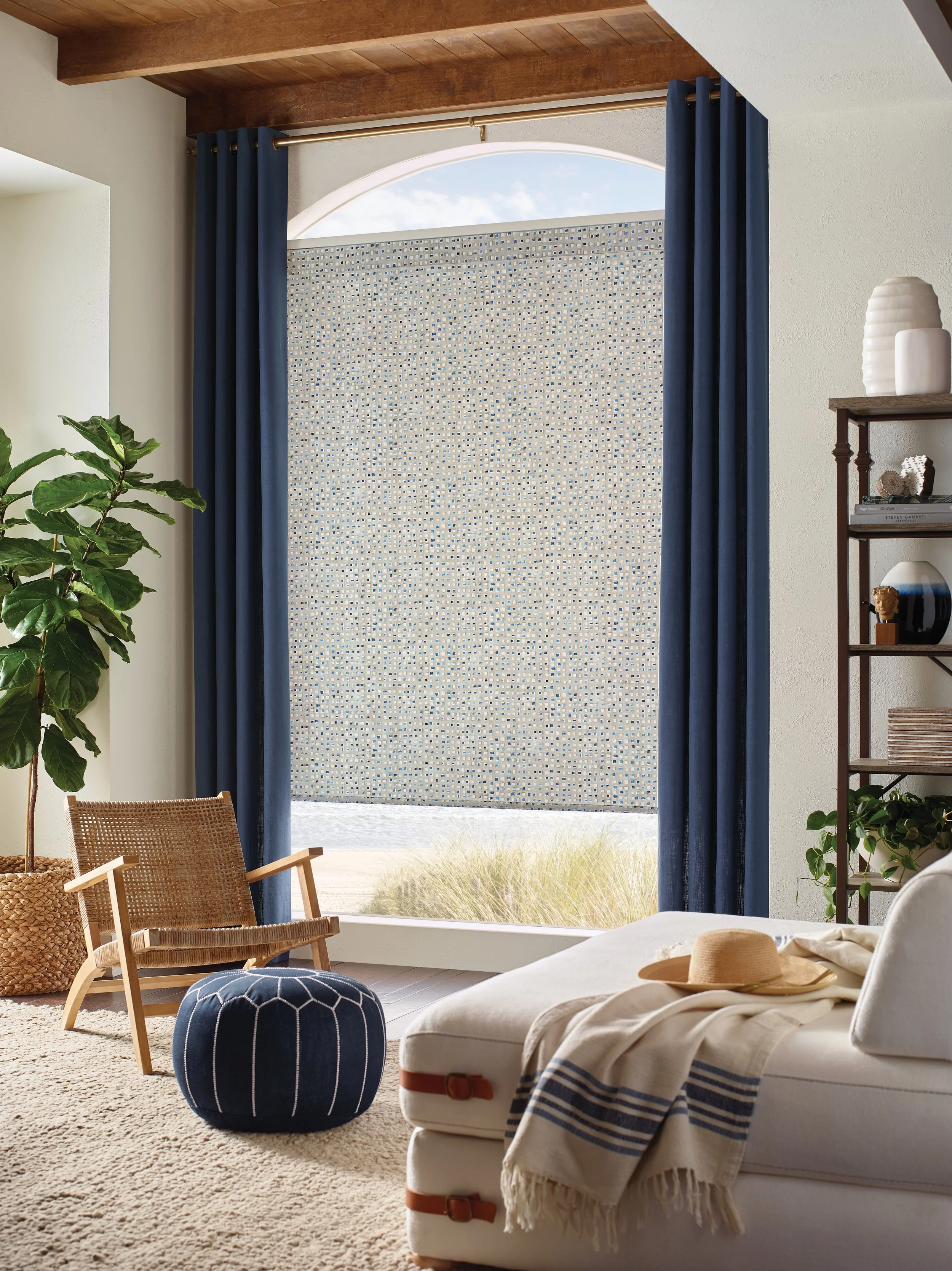
HUNTER DOUGLAS: Designer Roller Shades
FANS
Ceiling fans should turn counter-clockwise in the warmer months as this creates a downdraft. The effect of moving air hitting the sweat on your skin is known as evaporative cooling. As sweat evaporates, it helps lower your overall body temperature. Thus, you can keep the thermostat turned up a few degrees and still stay cool. High-quality ceiling fans are worth the investment because they are often much quieter while providing powerful airflow.
PAINT
If you have a room that gets a lot of southern exposure in the warmest months of the year, keep the paint light and airy. Dark colours can absorb the sun’s radiant energy and that energy creates unnecessary heat gain.
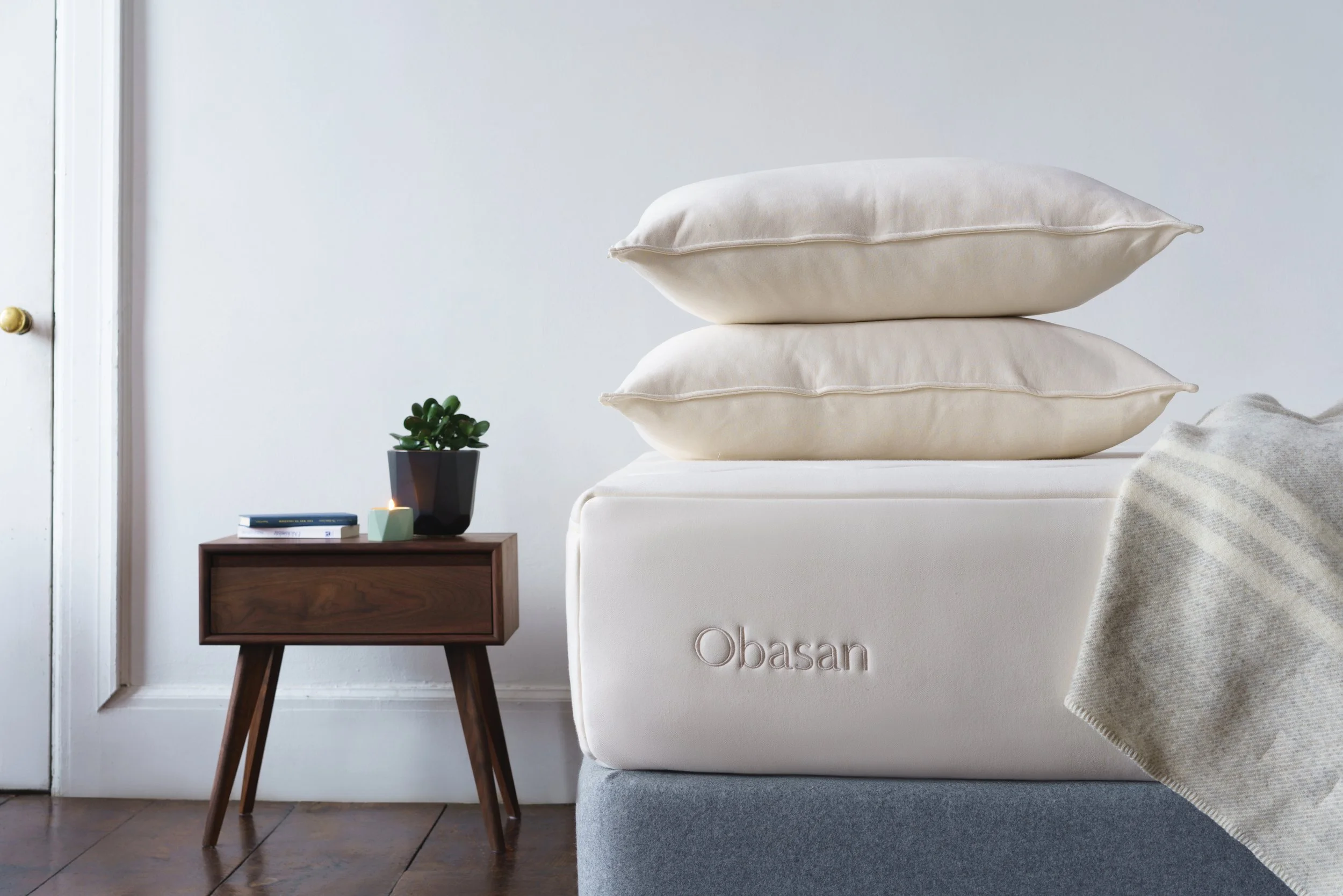
OBASAN: Custom Organic Mattress & Pillow
BEDDING
An important consideration in the summertime is optimizing comfort levels in the bedroom. In addition to keeping the room cool (65˚F is considered optimal for sleeping), another element that can greatly impact body temperature is the material of your mattress, pillows and bed linens. Natural materials are preferred over synthetics because of their ability to breathe. Some synthetic materials (including most memory foam mattresses) are very dense and tend to trap body heat. Ensure your bed frame allows for proper airflow around your mattress. Consider a mattress topper made from natural material such as latex, wool or cotton. Select bedding that is natural and breathable – such as linen. Use a lighter duvet in the summer months made with natural down or wool filling. These will help keep you cool as they allow moisture to escape. A shredded latex pillow with a cotton or linen cover is a good combination to help keep your head cool. Latex is a naturally breathable material and when shredded, provides improved airflow.
TILE
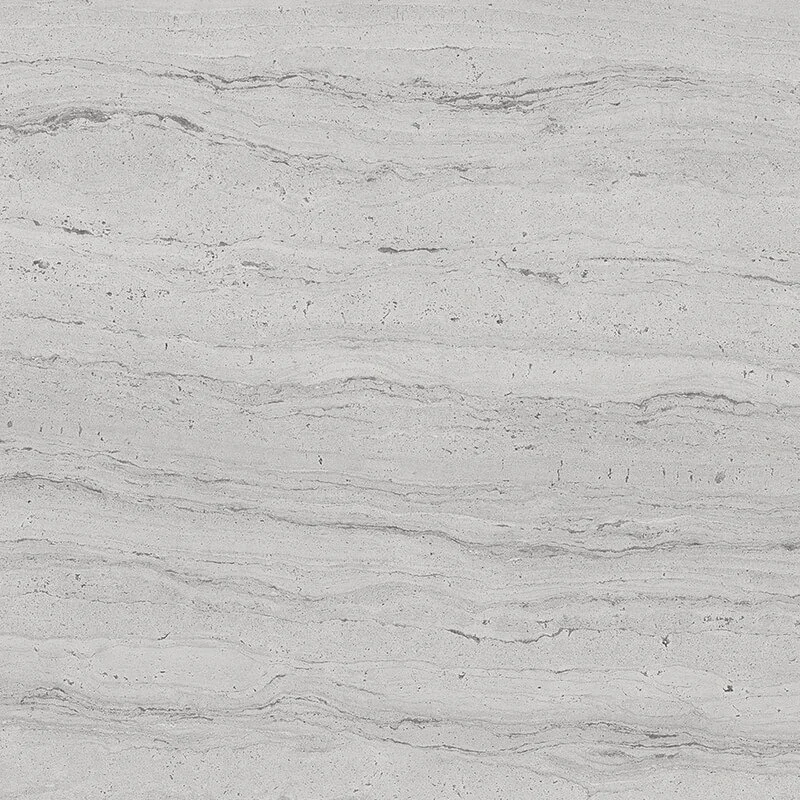
Porcelain or natural stone tiles generally provide cooler temperatures in the summer (look to Mediterranean architecture) – that is, if not continuously exposed to direct sunlight. Natural stone floors and porcelain tiles will hold heat, which is why they are often successfully paired with radiant heating options to warm up spaces in the colder months. Again, consider selecting lighter-coloured flooring in rooms that get direct sun exposure.
WINDOWS
If you are in the market for replacing windows, get the most energy-efficient windows you can afford. Spend some time with a professional to review the various frame, glazing and operation options. To minimize solar heat gain and reduce energy loss, you may require different energy efficiency ratings depending upon the exposure/orientation of various windows within your home and the overall ratio of window glazing to walls. A professional can also make recommendations on the operation styles and how the layout can optimize the breeze available from cool air entering through lower window openings, travelling through the house and the warmed air exiting at a higher location. Close windows first thing in the morning and open them up once the outside temperature has dropped in the evening.
WINDOW TREATMENTS
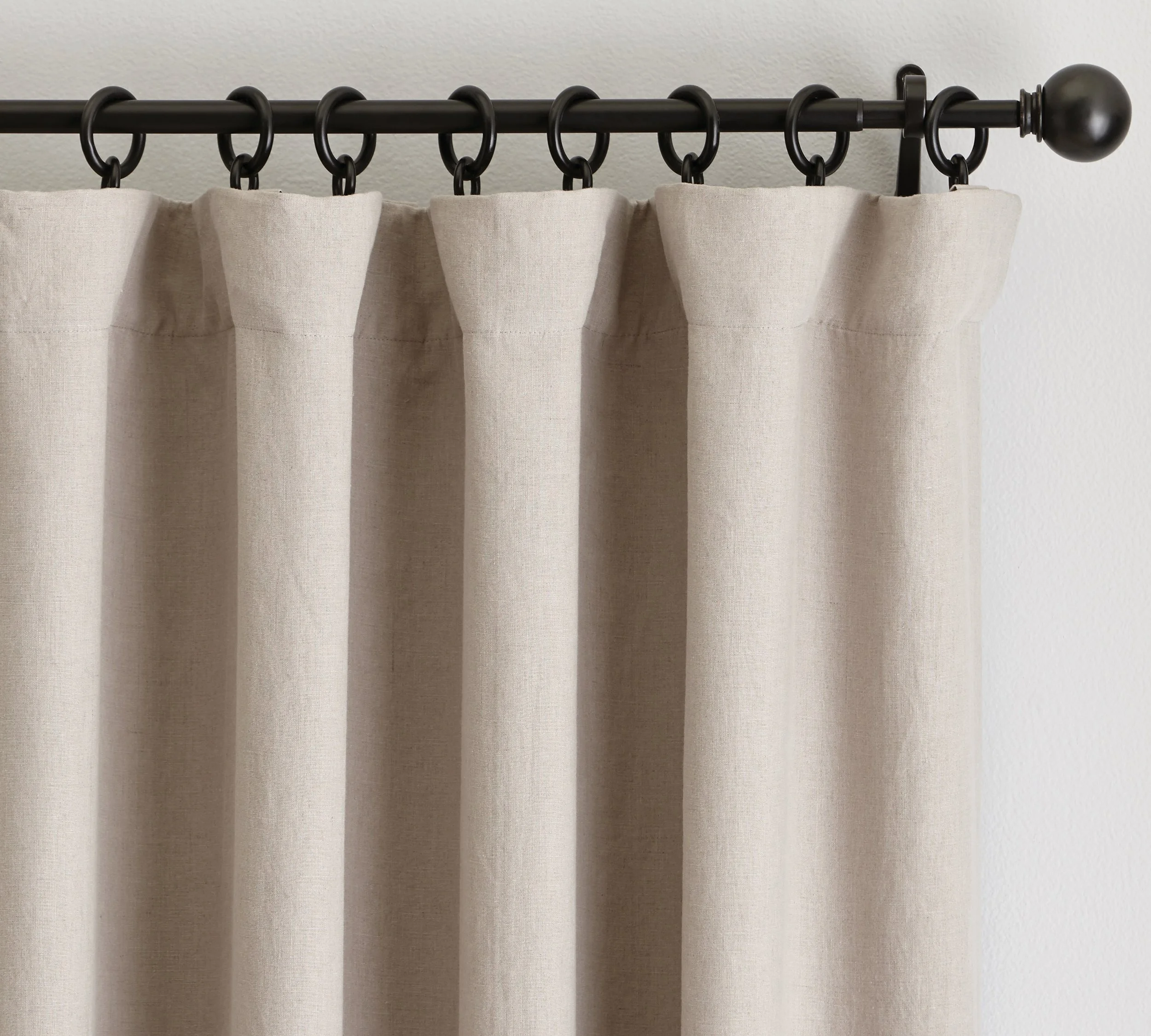
Window treatments are an excellent way to keep the cooling bill in check by controlling solar heat gain (while also adding an element of design). Blackout drapery is the most effective at preventing the sun from entering a room and offers a great solution for the sunniest times of day for south/west facing windows (specifically bedrooms). Solar shades provide various degrees of privacy, light penetration and heat transfer – all while offering a view to the outside.
LANDSCAPING
Landscaping outdoors can also help to keep the inside of your home cooler. Planting deciduous trees, shrubs and tall grasses can provide shade that will help mitigate solar gain in the summer months.
APPLIANCES
Practical day-to-day tips include firing up the outdoor grill instead of using the oven, installing a clothesline for drying and waiting to use the dishwasher until temperatures dip in the evening. Also remember to turn on exhaust fans in the bathroom when taking a shower to remove hot, humid air. OH